Lavandula antineae: The Desert Lavender That Thrives in Harsh Conditions
Lavandula antineae, often referred to as “Lavande du Désert” in French, is a unique and resilient species of lavender belonging to the Lamiaceae family. Native to the Sahara region — spanning Algeria, Chad, Niger, and Sudan — this remarkable plant brings fragrance, beauty, and utility to some of the most extreme landscapes on Earth. The name Lavandula traces back to the Latin word for washing, reflecting lavender’s long-standing use in cleaning and perfumery, while “antineae” pays tribute to the mythical Queen Antinea of Atlantis, adding a sense of legend to this fascinating species.
While many lavenders are cherished for their ability to flourish in Mediterranean-like conditions, Lavandula antineae stands out for its exceptional adaptation to desert environments. It tolerates drought, thrives in poor soils, and remains valuable both as an ornamental plant and for its traditional medicinal uses. Whether you are cultivating it for its delicate, fragrant flowers or its ability to attract pollinators, this desert lavender offers a rare combination of resilience and beauty.
The Unique Appeal of Lavandula antineae
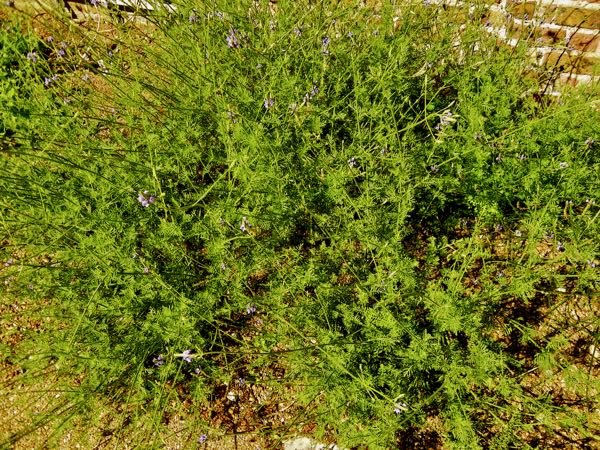
This perennial species typically grows up to 50 cm (20 inches) tall, forming woody stems topped with delicate foliage and stunning blooms. Its stems display a fascinating seasonal transformation: during wetter periods, they remain green and lush with leaves, while in drought conditions, they become more woody and leafless, conserving water and ensuring survival. The leaves are elliptical, hairy, and finely dissected, giving the plant a soft, textured appearance that contrasts beautifully with the rugged environments it inhabits.
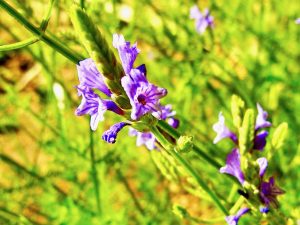
In spring, Lavandula antineae bursts into bloom with clusters of vibrant blue to violet flowers. These blossoms feature ovate bracts and tube-shaped corollas that flare open into delicate cups, creating a striking display. Beyond their visual beauty, the flowers and foliage exude a rich, aromatic fragrance that fills the air, enhancing any garden or landscape.
Plant Family
Lavandula antineae belongs to the Lamiaceae family, which includes other aromatic herbs such as rosemary, sage, thyme, and mint. This family is popular for plants with fragrant oils and culinary, medicinal, and ornamental value.
Traditional Uses and Cultural Significance of Lavandula antineae
Like many lavenders, Lavandula antineae has a long history of traditional use. They use its fragrant oils in perfumery and as a cleansing agent. In folk medicine, it was useful as antiseptic and sedative, as well as a treatment for colds and rheumatism. Its anti-inflammatory properties further contribute to its reputation as a plant of healing and wellness.
Flowering and Wildlife Benefits
The spring blooms of Lavandula antineae are not only a feast for the eyes but also an important food source for pollinators. Bees and butterflies flock to its nectar-rich flowers, making it an excellent choice for pollinator-friendly gardens. Additionally, it is naturally deer-resistant, a valuable trait for gardeners in regions where deer browsing can devastate other ornamental plants.
Growth Habit and Environmental Tolerance
This desert lavender forms a compact, woody perennial with a mounding growth habit, perfect for low-maintenance gardens. Its exceptional drought tolerance allows it to thrive where many other plants struggle. Once established, it can survive with minimal water, making it ideal for xeriscapes and water-wise garden designs.
How to Grow Lavandula antineae
Light
Plant it in full sun. Lavandula antineae thrives in bright, direct sunlight for at least six to eight hours a day. Inadequate light can lead to weak growth and reduced flowering.
Soil
Use well-draining soil. This species requires dry to moderately moist soil that drains quickly. Sandy or gravelly soils work well, but you can improve poor soils by incorporating coarse sand or small gravel. Keep the pH slightly alkaline to neutral for best performance.
Watering
Water sparingly. Once established, Lavandula antineae tolerates long dry periods and needs only occasional deep watering. During its first growing season, water regularly to help it develop strong roots. Avoid soggy conditions, as standing water leads to root rot.
Fertilizing
Feed lightly. Unlike heavy-feeding plants, this lavender requires minimal fertilization. Apply a slow-release, balanced fertilizer in early spring if your soil is very poor. Over-fertilizing can reduce essential oil production and make the plant more susceptible to disease.
Pruning
Prune after flowering. Trim spent blooms and lightly shape the plant to encourage compact growth. Avoid cutting into old woody stems, as lavender does not regenerate well from older wood.
Propagation
Propagate it through seeds or cuttings. While seeds can take up to eight weeks to germinate, softwood cuttings taken in late spring or early summer establish more quickly and maintain the genetic traits of the parent plant.
Overwintering and Hardiness
Lavandula antineae is naturally adapted to hot, arid environments, but it can tolerate mild frost when grown in well-drained soils. In colder regions, plant it in containers that can be brought indoors over winter or protect it with mulch and a frost cover during cold snaps.
Pests and Diseases
This plant is relatively resistant to pests and diseases, but like most lavenders, it can experience root rot in poorly drained soils. Improve air circulation and avoid overhead watering to prevent fungal issues. Its aromatic oils also deter many common garden pests, adding to its low-maintenance appeal.
Subspecies
There are three recognized subspecies of Lavandula antineae:
- Lavandula antineae subsp. antineae
- Lavandula antineae subsp. marrana
- Lavandula antineae subsp. tibesticad
Each subspecies exhibits subtle variations in flower color, growth habit, or distribution, offering unique possibilities for collectors and enthusiasts.
Using Lavandula antineae in the Landscape
Plant it in rock gardens, drought-tolerant borders, or Mediterranean-style landscapes. This species is also well suited for container planting, allowing you to move it as needed for seasonal protection. Combine it with other drought-tolerant species like rosemary, thyme, or ornamental grasses for a cohesive, low-maintenance design.
Harvesting and Uses
Cut the flowers for drying. Lavandula antineae blooms can be harvested at their peak for use in dried arrangements, sachets, or crafts. The essential oils can be distilled for perfumery or used in small amounts for homemade salves and aromatic blends.
Final Thoughts
Lavandula antineae is more than just a desert survivor. With its striking blue-violet flowers, enchanting fragrance, and remarkable tolerance for extreme conditions, it deserves a place in water-wise and pollinator-friendly gardens. Plant it in full sun, provide well-drained soil, and prune it lightly after flowering, and this unique lavender will reward you with beauty, fragrance, and resilience year after year.