
Astilbe chinensis ‘Pumila’: A Charming Dwarf Astilbe
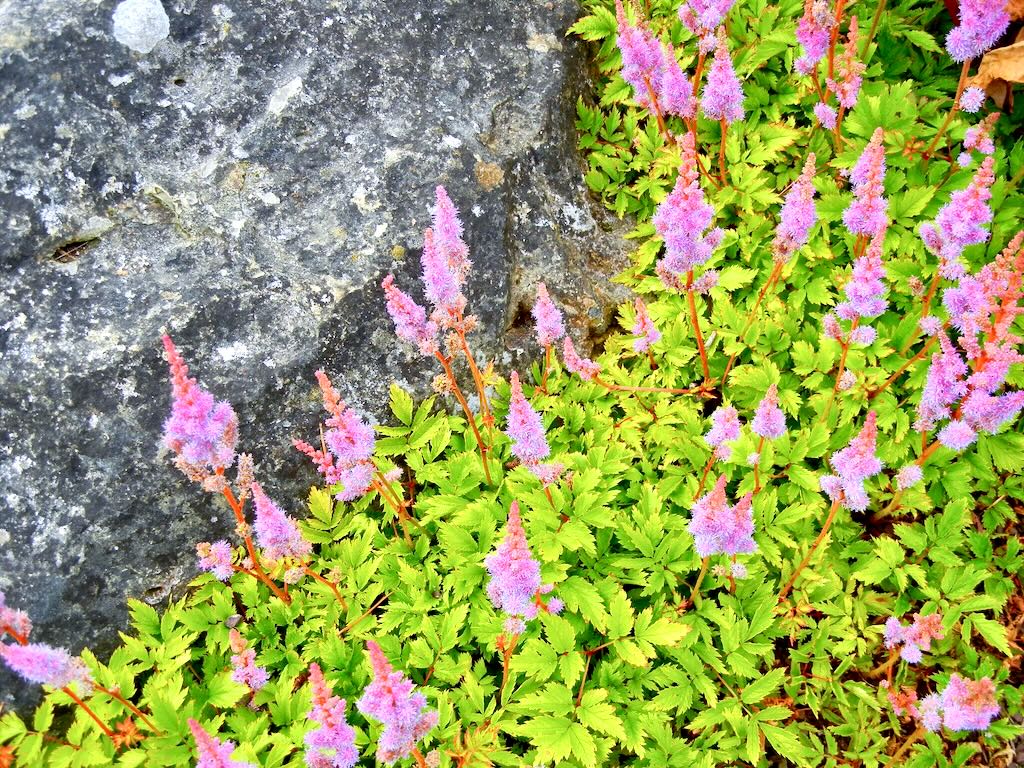
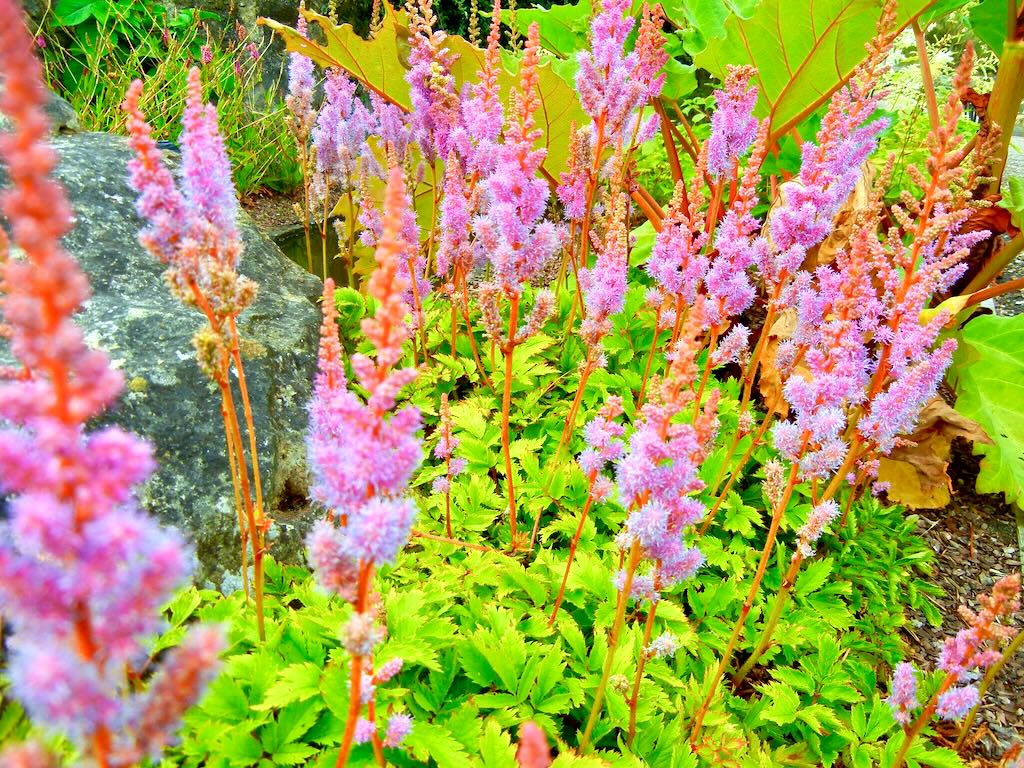
Astilbe chinensis ‘Pumila’, also known as Astilbe pumila, Astilbe chinensis var. pumila, Dwarf Chinese Astible, or Dwarf Astilbe, is a herbaceous perennial that belongs to the Saxifragaceae family of plants. It is a compact, clump-forming variety of Astilbe. Known for its beautiful mauve-pink flowers, Astilbe chinensis is native to Tibet.
Characteristics and Description
Astilbe chinensis ‘Pumila’ forms a low mound of dark green, deeply cut leaves. The foliage has a refined and fern-like appearance, remaining attractive throughout the growing season. In late summer, this delightful astilbe produces thick, stiff panicles of rosy-mauve flowers on stems that reach a height of 9-12 inches (23-30 cm). The plant itself typically grows to a height of 8-12 inches (20-30 cm), extending to 18 inches (45 cm) with the flowers. The compact size and charming blooms make it a perfect choice for shady borders with dappled light.
Cultivation of Astilbe chinensis ‘Pumila’:
Successful cultivation of Astilbe chinensis ‘Pumila’ requires careful attention to its preferred growing conditions.
Sunlight: ‘Pumila’ thrives in part shade to full shade. While it can tolerate some sunlight, it is important to provide protection from the hot afternoon sun in areas with warm summers.
Watering: This astilbe variety prefers evenly moist soil and should not be allowed to dry out. Regular watering is necessary to maintain the desired moisture levels. Applying a layer of mulch helps to reduce water evaporation and retain moisture in the soil.
Soil: Astilbe chinensis ‘Pumila’ thrives in organically rich and well-drained soils. It prefers moist, humusy soils and does best in consistently moist conditions. Amending the soil with compost before planting can help improve its overall fertility.
Pests and Diseases: Astilbe chinensis ‘Pumila’ is generally pest-free. However, it is important to watch out for powdery mildew, a common fungal disease that can affect astilbe plants. Providing good air circulation, avoiding overhead watering, and maintaining proper spacing between plants can help prevent powdery mildew.
Propagation: This Astilbe can be propagated through division when overcrowding occurs, typically every 3-4 years. Dividing the clumps helps rejuvenate the plant and ensures the maximum number of blooms.
Flowering Season and Fragrance:
Astilbe chinensis ‘Pumila’ blooms in late summer, adding a splash of mauve-pink color to the garden. While there is no specific mention of fragrance or aroma associated with this variety, some astilbes may have a subtle scent.
Astilbe chinensis ‘Pumila’ is a delightful addition to shaded gardens, woodlands, or near water features such as streams and ponds. Its compact size makes it suitable for container gardening as well. The flowers are excellent for fresh-cut arrangements or can be dried for use in natural bouquets. Removing faded flower stalks is optional but may improve the plant’s appearance, and the dried seedheads can provide additional interest in the garden.
By providing the right growing conditions, including partial shade, moist and well-drained soil, and regular watering, gardeners can enjoy the beauty of Astilbe chinensis ‘Pumila’ and its lovely mauve-pink flowers. Dividing the clumps every few years helps maintain the plant’s health and ensures continued blooming.