
Unveiling the Beauty of Sisyrinchium striatum: The Graceful Yellow Mexican Satin Flower
Sisyrinchium striatum, commonly known as Phaiophelps nigricans, Yellow Mexican Satin Flower, Paneguia striata, Bermudiana striata, Ferraria ochroleuca, Marica striata, Moraea sertula, or Pale Yellow-eyed Grass, showcases its charm through its diverse range of names. Belonging to the Iridaceae family, this captivating flower displays its intricate beauty.
Natural Origins: A Journey Through Argentina and Chile
Native to Argentina and Chile, Sisyrinchium striatum thrives in its South American habitat. This clump-forming perennial boasts a grassy appearance, adding a touch of elegance to its surroundings.
Stature and Foliage: A Grassy Delight
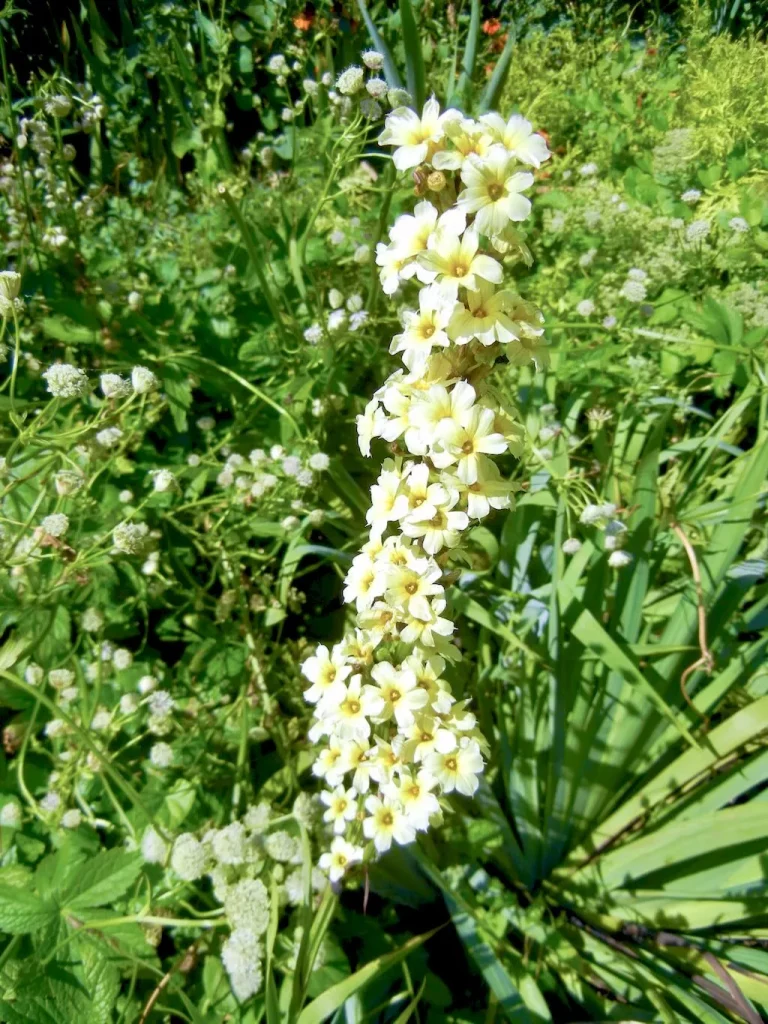
Growing up to 90cm or 3ft tall, Sisyrinchium striatum creates an impressive presence in gardens. Its lance-shaped, narrow foliage exhibits a grayish-green hue, providing a complementary backdrop to its vibrant blooms.
Summer’s Radiant Gleam: Blossoms and Colors
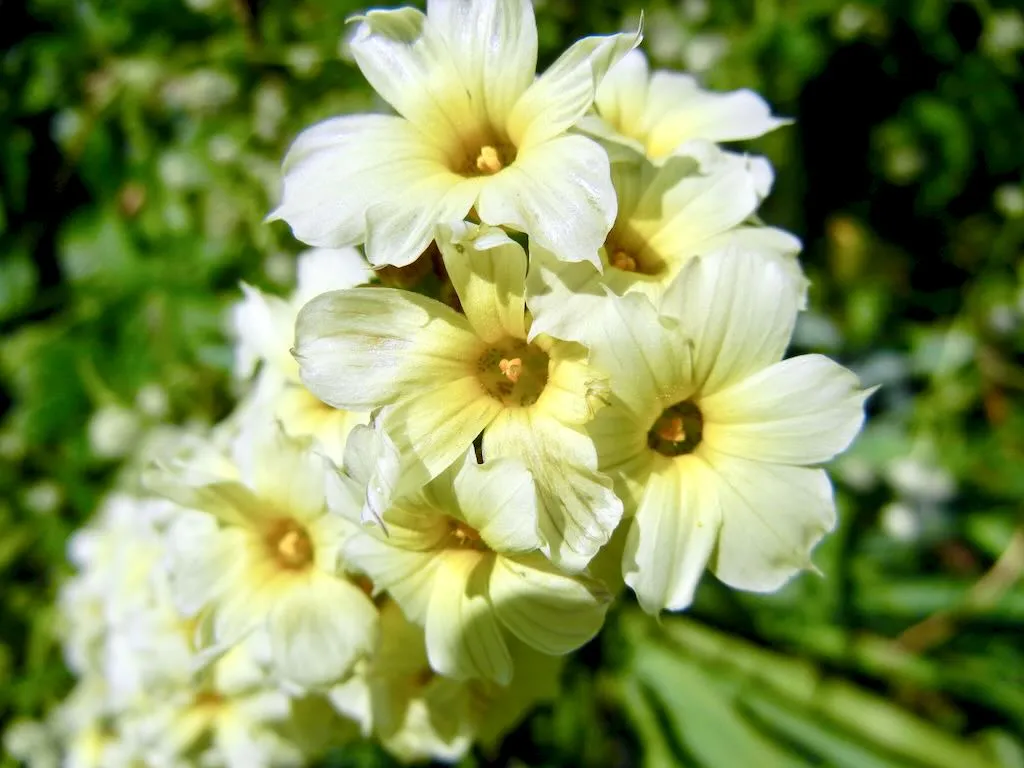
In late spring or summer, Sisyrinchium striatum enchants with its pale yellow star-shaped flowers. Adorning tall stems, these blossoms cluster together, accompanied by numerous bracts. The delicate petals feature darker lines along the outer edges, enhancing their allure. Each flower lasts for a single day, unfurling in the morning and gracefully closing in the evening.
Cultivation of Sisyrinchium striatum:
Sunlight: Locate Sisyrinchium striatum in a sunlit area to ensure optimal growth and flowering.
Watering: Provide moderate moisture to the plant, as excessive water can be detrimental. Well-drained soil is crucial, even during the winter months when excessive moisture should be avoided.
Soil: Plant Sisyrinchium striatum in poor to moderately fertile soil, which is moist and well-drained. This resilient plant thrives in various soil conditions.
Maintenance: Remove any dead or discolored leaves to maintain the plant’s appearance. As the leaves die down, they turn almost black, adding an intriguing element to the overall aesthetic.
Pests and Diseases: Sisyrinchium striatum is generally pest-free and disease-free. However, keep an eye out for potential issues like root rot and address them promptly.
Propagation: Propagate Sisyrinchium striatum through either seed or division. Spring is the ideal time for dividing the plant, while self-seeding can be controlled by removing dead flowers.
Enhancing Your Landscape: Beauty in Borders and Rock Gardens
Sisyrinchium striatum adds an enchanting touch to various garden styles, including borders, cottage gardens, and rock gardens. Its graceful height and captivating colors infuse the landscape with beauty and charm.