
Rosa ‘Cornelia’: A Fragrant and Graceful Hybrid Musk
Rosa ‘Cornelia’ is a hybrid musk rose that has charmed gardeners since its introduction in the United Kingdom by Rev. Joseph Hardwick Pemberton in 1925. This old-fashioned beauty is cherished for its delicate color blend, intoxicating fragrance, and impressive versatility in the landscape. A winner of the Royal Horticultural Society’s Award of Garden Merit, ‘Cornelia’ is well-suited to both formal and informal gardens, and can be grown as a shrub or trained as a climber.
The rose family, Rosaceae, claims Rosa ‘Cornelia’ among its many members. This vast and diverse family spans more than 90 genera and thousands of species, including ornamental shrubs, trees, and essential fruit crops such as apples, cherries, and strawberries. As a Hybrid Musk rose, ‘Cornelia’ displays the refined floral character and graceful habit that define its group, combining the charm of old roses with the vigor and extended bloom of modern varieties.
Characteristics of Rosa ‘Cornelia’
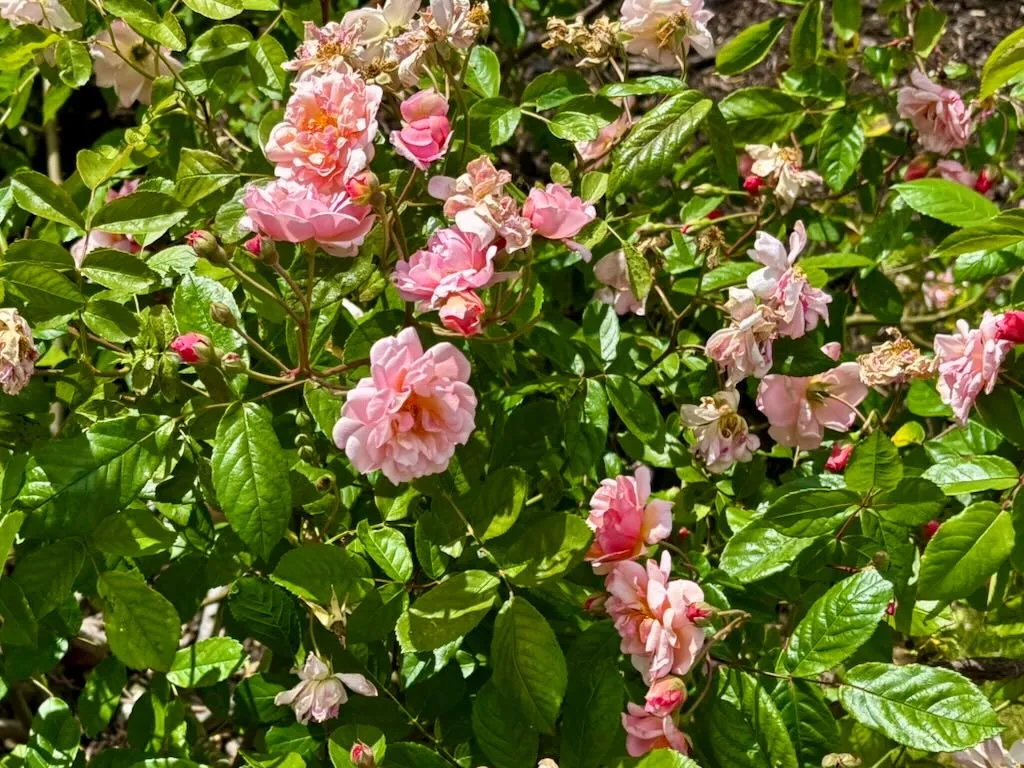
‘Cornelia’ features an elegant growth habit, forming an arching shrub that typically reaches 5 to 8 feet (1.5 to 2.4 meters) tall, with potential to climb up to 12 feet (3.6 meters) when trained. The foliage is dense, glossy, and bronze-tinged when young, offering a rich backdrop for the rose’s luminous blooms.
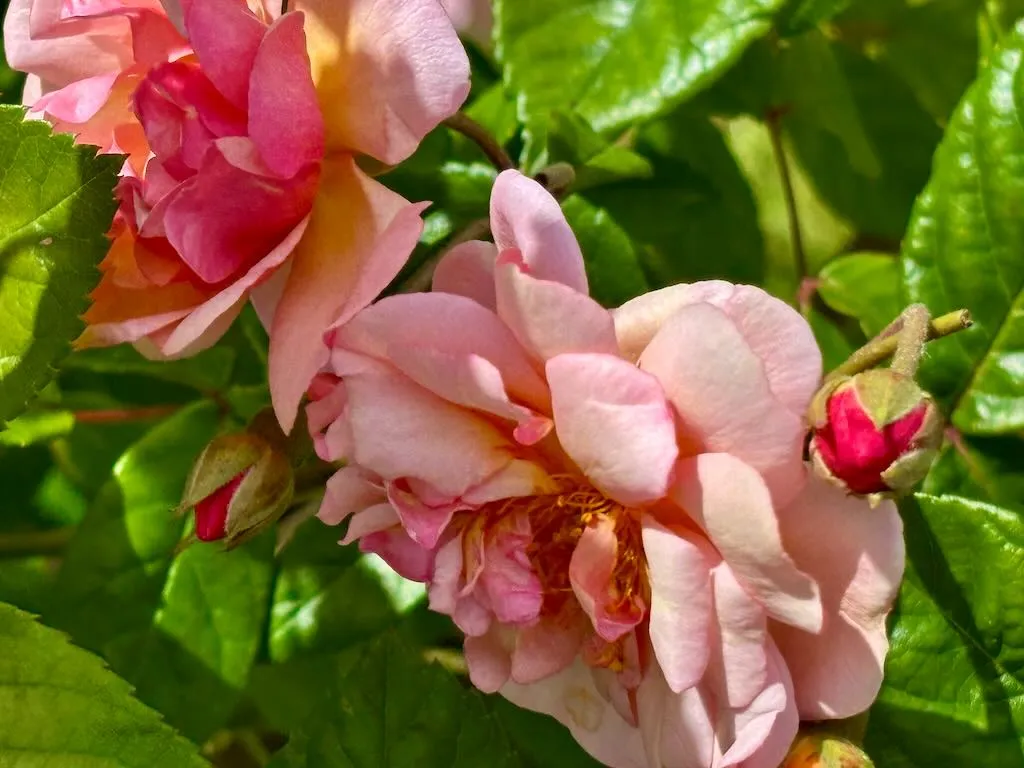
The flowers themselves are rosette-shaped, fully double, and typically about 2 to 2.5 inches (5 to 6.5 cm) in diameter, boasting over 30 petals per bloom. Buds open a dusky apricot-copper hue that fades to a coppery-pink, with subtle strawberry and buff tones. These small blooms appear in large trusses, offering a continuous display from early summer well into autumn.
One of the most alluring aspects of ‘Cornelia’ is its strong musk fragrance, a trait inherited from its hybrid musk lineage. It is moderately shade-tolerant and nearly thornless, making it a pleasure to handle in the garden.
How to Grow Rosa ‘Cornelia’
Light
Rosa ‘Cornelia’ thrives in full sun but is also one of the few roses that tolerates partial shade well. In especially hot climates, some afternoon shade can help preserve the vibrancy of the blooms.
Soil
This rose prefers fertile, humus-rich soil that drains well. While it will tolerate poorer soils, enriching the planting area with compost or well-rotted manure will promote robust growth and abundant flowering.
Watering
Water regularly during the growing season, ensuring the soil stays consistently moist but never waterlogged. Established plants are relatively drought-tolerant but still appreciate deep watering during dry spells. Reduce watering in winter.
Fertilizing
Feed with a balanced rose fertilizer in early spring as new growth begins. Follow with another application in early summer. For optimal results, alternate between slow-release granular feeds and biweekly applications of liquid fertilizer during peak blooming months.
Pruning
Prune lightly in late winter or early spring. Remove any dead, damaged, or congested stems. For shape, you can cut back the plant by up to one-third. Unlike many hybrid teas, ‘Cornelia’ does not require hard pruning and actually prefers a more restrained approach.
Mulching
Apply a generous layer of mulch—such as compost, bark chips, or straw—in early spring and again in autumn. This helps conserve moisture, suppress weeds, and enrich the soil.
Pests and Diseases
‘Cornelia’ is notably disease-resistant. However, as with all roses, it’s important to maintain good air circulation, especially in humid conditions. Remove fallen leaves and debris to prevent fungal issues like black spot or powdery mildew. Monitor for aphids or spider mites and treat if necessary.
Design Uses
Rosa ‘Cornelia’ is an adaptable plant that can serve a range of purposes in the landscape. It shines in cottage gardens, rose borders, or as a fragrant, informal hedge. Its thornless stems and soft color make it an excellent cut flower, while its upright form allows it to be trained on trellises, arches, or pergolas in warmer climates.
In gardens with limited space, ‘Cornelia’ can be contained and shaped, making it ideal for small borders or as a graceful specimen shrub. It partners beautifully with perennials and ornamental grasses, and its shade tolerance makes it suitable for slightly dimmer corners that many roses would avoid.
Hardiness and Climate
Rosa ‘Cornelia’ is hardy in USDA Zones 6 through 9 and can sometimes survive in Zone 5 with adequate winter protection. In milder regions, it may remain semi-evergreen. Its ability to thrive in a range of climates, combined with its disease resistance and repeat bloom, makes it an enduring favorite among rose lovers.
Propagation
You can propagate Rose ‘Cornelia’ by taking hardwood cuttings in autumn or through chip budding in summer. For hardwood cuttings, choose healthy, pencil-thick stems and plant them in a free-draining medium to root over winter.
Final Thoughts
Rosa ‘Cornelia’ remains a timeless gem nearly a century after its introduction. With its nostalgic blooms, rich scent, gentle habit, and excellent garden performance, it’s easy to see why it holds a permanent place in so many rose gardens. Whether grown as a shrub or a climber, this Hybrid Musk offers color, fragrance, and elegance from summer to fall with minimal fuss.