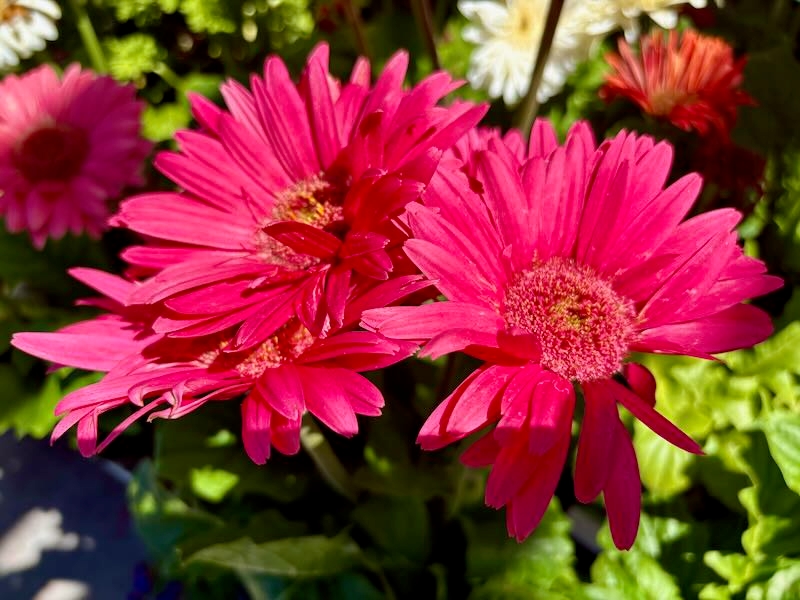

Gerbera Glory: Meet ‘Revolution™ Rose Bright Light Eye’
In the world of garden showstoppers, few flowers can compete with the playful charm and brilliant hues of Gerbera daisies, and among them, Gerbera ‘Revolution Rose Bright Light Eye’ is in a class all its own. This sun-loving, cheerful bloomer isn’t just another pretty face — it’s a reliable performer that bridges the gap between ornamental beauty and garden resilience. Whether you’re dressing up a patio container, lining a pathway, or cutting fresh stems for the kitchen table, this variety offers both elegance and durability in every vivid petal.
Botanical Background
Gerbera ‘Revolution™ Rose Bright Light Eye’ belongs to the Asteraceae family, a sprawling plant clan that includes familiar faces like sunflowers, zinnias, and asters. Native to South Africa, Gerbera jamesonii — the parent species — was first discovered in the Transvaal region, which earned it the nickname “Transvaal daisy.” Over the years, plant breeders have refined this species into the sturdy, flamboyant hybrids we now find at garden centers, including the ‘Revolution™’ series known for uniform growth, heat tolerance, and truly magnificent flowers.
Season-Long Blooming and Flower Attributes
One of the most delightful aspects of this plant is its generous flowering period. Starting in mid to late spring and continuing straight through to the arrival of frost, Gerbera ‘Revolution™ Rose Bright Light Eye’ offers a reliable parade of blooms. With regular deadheading — more on that later — the plant remains focused on producing new flowers rather than diverting energy to seed development.
Each bloom is a marvel: vivid rose-pink petals radiating outward from a bright, light-hued center that almost seems to glow in certain lighting. This multi-toned effect creates an irresistible contrast and ensures the flowers look fantastic both up close and from a distance.
Whether you grow it for garden enjoyment or snip the blooms for bouquets, the flowers are long-lasting, vibrant, and structured enough to hold their shape in floral arrangements for up to two weeks.
How to Growth Gerbera ‘Revolution Rose Bright Light Eye’:
What sets ‘Revolution Rose Bright Light Eye’ apart is its vivid, rose-colored petals, which radiate around a bright light eye, creating a strong focal point both in the garden and in floral arrangements. Each flower sits perched on a thick, leafless stem, rising confidently above the plant’s rosette of deep green foliage. The upright habit allows the blooms to stand out against the greenery, making it an excellent choice for mass plantings or as a centerpiece in decorative containers.
Typically, the plant reaches a mature height of 8 to 12 inches (20 to 30 cm) and spreads equally wide, creating a neat, rounded form that is both tidy and eye-catching. Its moderate growth rate allows it to fill its space gracefully without the need for constant pruning or replanting.
Light and Location
Gerberas are sun worshippers by nature, and ‘Revolution Rose Bright Light Eye’ is no exception. For the healthiest growth and most prolific blooms, plant in full sun, where it will receive at least 6 hours of direct sunlight each day. In regions with particularly intense summer heat, afternoon shade is a smart adjustment to prevent the foliage from scorching and the flowers from fading prematurely.
The versatility of this plant shines through in its placement — ideal for the front of garden beds, container arrangements, or as a border plant where its cheerful blossoms can be admired up close.
Soil and Planting
Success with Gerbera daisies starts underground. These plants demand well-drained, fertile soil, preferably with a slightly acidic pH ranging from 5.5 to 6.5. Heavy clay soils are a surefire route to root rot, so if your garden leans toward compacted earth, consider amending with compost or using raised beds and containers filled with high-quality potting mix.
When planting, space individual plants about 12 to 14 inches (30 to 36 cm) apart. This encourages good air circulation, reducing the risk of fungal disease. Ensure that the crown of the plant sits slightly above soil level — burying the crown can lead to rot, particularly in wetter climates.
Watering and Fertilization
Watering is both a science and an art when it comes to Gerberas. During the establishment phase, young plants need consistently moist — but never waterlogged — soil. Once roots are settled, switch to deep, thorough watering when the soil’s surface dries out.
Do not water from above as it can invite leaf spots and powdery mildew. Drip irrigation or watering at soil level is the best way. Early morning is the best time to water, allowing the leaves to dry off as the sun rises.
Feeding your plants keeps the bloom cycle in motion. Apply a balanced, water-soluble fertilizer once every two weeks or opt for a slow-release formula applied several times during the growing season. Container-grown plants may require more frequent feeding, as nutrients are leached away faster with regular watering.
Bloom Time and Flower Features of Gerbera ‘Revolution Rose Bright Light Eye’
From spring through fall, ‘Revolution Rose Bright Light Eye’ delivers a continuous display of picture-perfect blooms, each one boasting large, daisy-like heads in rich pink tones with a glowing light center. The flower stems are strong and long-lasting, making them perfect candidates for cut flower arrangements.
A key feature of this variety is its ability to rebloom — with proper care, spent blooms will be quickly replaced by new buds, keeping the display fresh and lively from the first days of spring until frost makes its appearance.
Deadheading and Pruning
Deadheading is essential if you want your Gerberas to keep performing. Once a bloom starts to fade, snip the stem all the way back to the base of the plant. This simple practice not only tidies the plant but also signals to it that energy can be redirected into new buds rather than seed production.
Occasionally, you’ll want to thin the foliage, especially if the plant becomes overly dense. Removing older leaves improves air circulation around the crown and allows sunlight to penetrate, which is crucial for bud formation.
Growing in Containers
Gerbera ‘Revolution Rose Bright Light Eye’ thrives in containers, where its tidy form and vivid blooms make it an excellent choice for patios, balconies, and entryways. Choose a container with adequate drainage holes and fill it with a high-quality potting mix. A container size of at least 12 inches (30 cm) in diameter gives the roots ample space to develop.
Because containers dry out more quickly than garden soil, monitor the moisture level closely and adjust your watering schedule accordingly, especially during hot weather.
Overwintering and Hardiness
Gerbera daisies are hardy in USDA zones 9 through 11. In these zones, they can be treated as tender perennials, providing color year after year as long as extreme cold is avoided. In cooler climates, they are usually grown as annuals or overwintered indoors.
If you choose to overwinter your plants, bring container-grown specimens indoors before the first frost. Position them in a bright, cool space — a temperature range of 45°F to 50°F (7°C to 10°C) is ideal. During this rest period, reduce watering and skip fertilization until spring growth resumes.
Pests and Problems of Gerbera ‘Revolution Rose Bright Light Eye’
Like most plants, Gerberas can face a few uninvited garden guests, but with good cultural practices, problems are rare. Keep an eye out for whiteflies, aphids, thrips, and spider mites — especially during warm, dry weather. These pests can usually be controlled with insecticidal soap or neem oil.
Avoiding crown rot and fungal diseases is mostly a matter of planting in well-drained soil, avoiding overcrowding, and watering carefully. Early morning irrigation allows the leaves to dry quickly and prevents fungal spores from settling in.
Propagation of Gerbera ‘Revolution Rose Bright Light Eye’
Although many gardeners purchase Gerberas as starter plants each spring, they’re quite simple to propagate if you’d like to multiply your stock. The most reliable method is division, ideally done in early spring or fall. Simply dig up the mature plant, separate the crowns, and replant, ensuring each division has a healthy section of roots attached.
You can also start Gerberas from seed, though this takes a bit of patience. For the earliest blooms, start seeds indoors 12 to 18 weeks before your last expected frost date. Seeds require light to germinate, so press them gently onto the soil surface rather than covering them.
Companions and Design Tips
The striking rose hues of ‘Revolution Rose Bright Light Eye’ make it a versatile companion in mixed garden plantings. Combine it with soft silver-foliaged plants like dusty miller (Jacobaea maritima) or blue-toned salvias to create contrast, or lean into boldness by pairing it with other vibrant bloomers like marigolds, petunias, and calibrachoas.
Their uniform size and clean form make Gerberas particularly effective in symmetrical container arrangements, or as a strong unifying element in a border that might otherwise lean too heavily on green foliage.
Final Thoughts
Gerbera ‘Revolution Rose Bright Light Eye’ isn’t just another annual — it’s a living burst of enthusiasm, offering gardeners months of color with surprisingly little fuss. Whether nestled in a well-tended bed or perched in a sunlit container, this plant rewards your attention with charismatic blooms that bridge ornamental beauty and practical resilience.
For gardeners looking to add a reliable pop of color to their outdoor spaces or cut stems for indoor cheer, this Gerbera hybrid is nothing short of a garden essential. A little sunshine, some well-drained soil, and occasional deadheading are all it takes to keep ‘Revolution™ Rose Bright Light Eye’ looking fresh, vibrant, and utterly irresistible from one season to the next.
Your garden deserves a star performer — and this one never misses its mark.