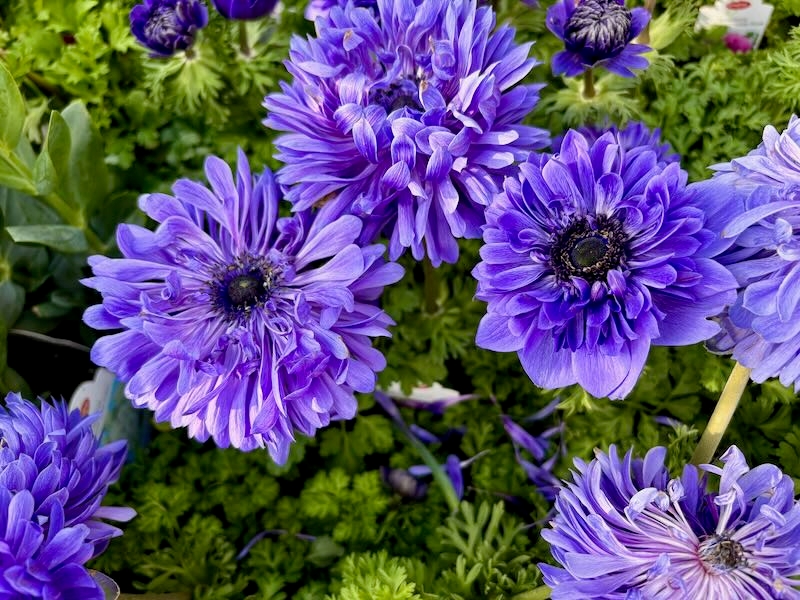
Anemone ‘Harmony Double Blue’: A Burst of Sapphire for Your Spring Garden
A true standout among the Anemone family, Anemone ‘Harmony Double Blue’ brings both beauty and resilience to the garden, and it does so in a tidy, manageable size that suits even the most space-challenged gardener.
There are some plants that slip quietly into the garden, offering a polite presence, and then there are those that arrive like a well-dressed guest at a garden party, turning every head in sight. Anemone ‘Harmony Double Blue’ belongs firmly in the latter category. With its rich, layered blue blooms and compact growth, this charming perennial makes an unforgettable impression as soon as early spring unfurls its first warm days.
Introducing Anemone ‘Harmony Double Blue’
It is part of the buttercup family, Ranunculaceae. This striking cultivar is a modern gem, they bred it from Anemone coronaria, commonly known as the Poppy Anemone or Windflower. The ‘Harmony’ series itself is prized worldwide by growers for its reliable, showy displays, and the ‘Double Blue’ selection takes that one step further with fully double blooms that seem to glow with rich, true-blue vibrancy.
At maturity, ‘Harmony Double Blue’ forms a neat, low mound, reaching 6 to 8 inches tall (15 to 20 cm) and spreading about 5 inches (12 to 13 cm) wide. This modest size makes it an ideal plant for borders, container arrangements, or even for naturalizing under deciduous shrubs, where its electric blue petals stand out against early-spring foliage.
A Flowering Season to Savor
One of the loveliest things about ‘Harmony Double Blue’ is its eagerness to bloom at the earliest signs of spring warmth. You can expect the first flush of flowers in early spring, often right after the last frost, turning garden beds into vibrant seas of sapphire. Under the right conditions, and with a little garden care and luck, the plant may even reward you with a second blooming in early autumn.
The striking blue flowers are not only a delight for human eyes but also act as magnets for early pollinators. Butterflies, in particular, seem drawn to the bold, layered flowers that offer both nectar and a perch on warmer days.
Where and How to Plant Anemone ‘Harmony Double Blue’:
Choosing the right location for your anemones is the first step in ensuring an abundant display of blooms. Anemone ‘Harmony Double Blue’ thrives in locations that offer full sun to partial shade. If you garden in a cooler climate, full sun will encourage stronger, more upright stems and more prolific blooms. In hotter regions, especially those with blistering summer afternoons, a spot offering shelter from direct afternoon sunlight will prevent flower scorch and stress.
Soil quality is just as important. Like many other spring-blooming bulbs and tubers, ‘Harmony Double Blue’ requires well-drained, organically rich soil. Standing water around the roots will quickly spell trouble for these plants. A slightly acidic to neutral soil pH (6.0–7.0) suits them best.
For best results, plant corms at a depth of 2 to 4 inches (5 to 10 cm) and space them 6 to 8 inches apart (15 to 20 cm). This allows enough room for the foliage to develop fully without competition while creating a dense enough grouping for a striking visual effect once the blooms arrive.
The Importance of Moisture and Mulch
Though anemones like soil that holds moisture, they are extremely sensitive to waterlogging. Regular watering is essential, especially when the weather is dry, but always allow the top layer of soil to dry slightly between watering sessions. Aim for a schedule of watering twice weekly during normal conditions, increasing during particularly hot or dry spells.
Mulching the area around your anemones offers several benefits beyond moisture retention. A good layer of mulch—applied carefully so as not to smother the plant’s crown—helps keep the roots cool, suppresses weed competition, and reduces soil temperature fluctuations. Organic mulches like shredded bark or composted leaf mold work especially well.
Nurturing Your Anemones Through the Seasons
Once planted, ‘Harmony Double Blue’ requires little intervention beyond thoughtful seasonal care. After the first wave of blooms has passed, deadheading spent flowers will keep your plants looking fresh and encourage repeat blooming if conditions are right.
As the growing season winds down, allow the foliage to die back naturally. The leaves provide energy for the corms, helping to ensure a strong return the following spring. In regions where winters dip below freezing, the corms can be carefully lifted after the foliage yellows, dried, and stored in a cool, dry place until replanting when the ground softens in late winter or early spring.
For gardeners lucky enough to live in milder climates, anemones can often be left in the ground and treated as reliable perennials. In these settings, a light application of mulch over winter is often enough protection.
Feeding for Success
To support healthy growth and maximize bloom potential, apply a balanced, all-purpose fertilizer at the start of the growing season. Avoid fertilizers with excessive nitrogen, as this will encourage leafy growth at the expense of flowers. A slow-release granular fertilizer or liquid feed applied once a month during the active growing period is usually sufficient.
Propagation of Anemone ‘Harmony Double Blue’:
If you find yourself falling in love with the bold blue charm of ‘Harmony Double Blue’ (and chances are, you will), you’ll be pleased to know that propagation is relatively straightforward.
The most common method is the division of corms. Once the plant has gone dormant in late summer or early fall, gently dig up the corms and separate any offsets. Allow these newly divided corms to dry for a day or two in a cool, shaded spot before storing or replanting.
You can grow anemones from seed, but this method is often a longer, less reliable route, especially if you’re hoping to replicate the exact qualities of the parent plant, such as the vivid double blue blooms.
Pests, Problems, and Prevention
Like all plants, anemones have a few garden adversaries, but with a little observation, most issues can be kept well under control. Slugs and snails are common pests, particularly attracted to the tender foliage in spring. Beer traps, copper tape, or hand-picking can help keep populations in check.
Another concern, albeit a less common one, is the leaf and bud eelworm. This microscopic pest can cause distorted growth and deformed leaves. Good sanitation practices, rotating planting locations, and avoiding overhead watering will help reduce the chances of an infestation.
A keen eye is also helpful in preventing powdery mildew, a fungal disease that can arise during periods of high humidity or poor air circulation. Ensuring plants are spaced appropriately and kept free from overcrowding is often enough to avoid this problem altogether.
Why Gardeners Love Anemone ‘Harmony Double Blue’
The popularity of ‘Harmony Double Blue’ lies not just in its irresistible flowers but also in its versatility and reliability. Few plants offer so much reward for so little effort. Whether planted en masse to create a painterly sweep of blue across a border or tucked into containers on a patio, the effect is the same: eye-catching and elegant.
Its compact form makes it an excellent choice for modern urban gardens, balcony displays, and mixed containers, where it happily coexists with spring bulbs, violas, and even low-growing evergreen ground covers.
Adding to its appeal, ‘Harmony Double Blue’ is deer-resistant, making it a smart choice for gardeners in rural or suburban areas where browsing wildlife can be an issue. It also draws in pollinators like bees and butterflies, making it not only beautiful but ecologically beneficial as well.
A Reliable Companion for Spring and Beyond
With its vivid blooms, compact form, and easy-care nature, Anemone ‘Harmony Double Blue’ is an outstanding choice for any gardener eager to welcome the season’s first colors. Whether you’re starting a new border, refreshing a container display, or naturalizing an underused corner, this lovely plant is ready to make itself at home.
Plant it well, tend it lightly, and you’ll be rewarded year after year with a vibrant splash of blue that signals the garden is well and truly awake.