
Rosa ‘Lucky’: A Fortunate Choice for the Garden
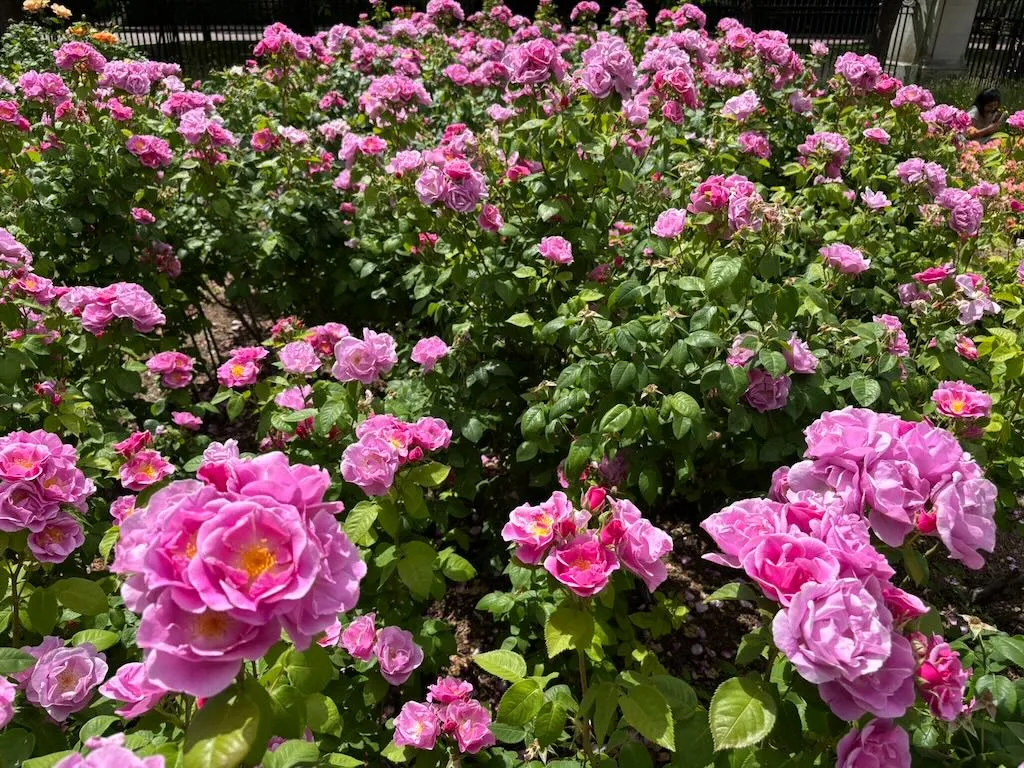
Rosa ‘Lucky’ or Rose ‘Lucky’ is a charming floribunda shrub rose that rewards gardeners with clusters of lilac-pink blooms, soft fragrance, and resilient growth. Bred by Gareth Fryer of Fryer’s Roses in the United Kingdom, this variety was introduced in 2009 and received the coveted Rose of the Year award that same year. With its elegant semi-double flowers, healthy foliage, and long blooming season, ‘Lucky’ lives up to its name as a fortuitous addition to any garden.
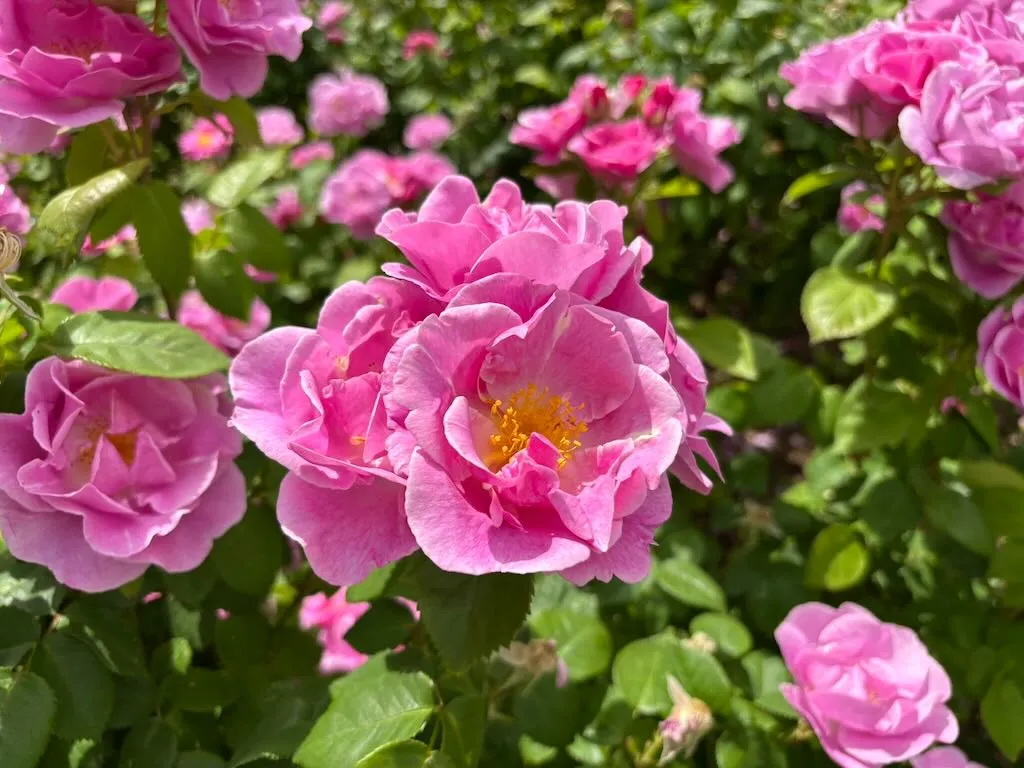
Belonging to the rose family, Rosaceae, Rosa ‘Lucky’ is a repeat-flowering rose that brings color and vitality from late spring to the first frosts. The dark green foliage is dense and bushy, forming a healthy backdrop for the soft lilac-pink blooms. Each flower opens from a deep pink bud into a semi-double blossom roughly 7 cm (2.7 inches) in diameter, with slightly wavy petals that attract bees and pollinators.
The Allure of Rosa ‘Lucky’ Blooms
The standout feature of Rosa ‘Lucky’ is its prolific, fragrant clusters of flowers. Blooming from early summer through to autumn, this rose is designed for consistent color and elegance. The open, semi-double form of each bloom is not just visually pleasing but also functional, offering easy access for pollinators such as bees.
Each bloom transitions beautifully from dark buds to pastel petals, and the soft lilac-pink hue pairs perfectly with traditional garden palettes. The flowers grow in generous clusters atop upright stems, making this rose an excellent choice for cut flower arrangements or simply as a standout in mixed borders.
Growth Habit and Foliage
This rose reaches a mature height of 80 to 100 cm (approximately 31 to 39 inches) and spreads about 60 cm (24 inches) wide. Its dense, upright, and bushy habit makes it suitable for both large containers and garden beds. The foliage is matte, mid-green, and healthy, staying attractive throughout the growing season.
As a deciduous shrub, Rosa ‘Lucky’ loses its leaves in winter but comes back vigorously each spring with proper care. It fits seamlessly into both formal rose gardens and more relaxed cottage-style borders.
Where to Plant Rosa ‘Lucky’
Due to its compact size and generous flowering habit, Rosa ‘Lucky’ is suitable for a variety of garden settings. It works beautifully at the back or middle of a herbaceous border and is equally at home in large pots or planters. It thrives in gardens with good airflow and can tolerate both dappled shade and full sun, though full sun is best for optimal flowering.
How to Grow Rosa ‘Lucky’
Light
Rosa ‘Lucky’ performs best in full sun, ideally receiving 6 to 8 hours of direct sunlight daily. While it can tolerate dappled shade, reduced sunlight may lead to fewer blooms and less vigorous growth.
Soil
This rose prefers rich, fertile soil with good drainage. It adapts to a wide range of soil types, including chalky, clay, loam, or sandy soils. Ensure the soil is consistently moist but not waterlogged. Ideal pH levels can be slightly acidic to slightly alkaline.
Watering
Deep, consistent watering is key to the success of Rosa ‘Lucky’. During dry spells, especially in summer, ensure the soil remains moist to a depth of 15 to 20 cm (6 to 8 inches). Avoid overhead watering, which can promote fungal diseases. For container-grown roses, daily watering may be needed during hot weather.
Fertilizing
Apply a balanced rose fertilizer in late winter or early spring. A second feeding in early summer helps sustain flowering. For container roses, use a slow-release fertilizer or liquid feed every 4 to 6 weeks during the growing season. Avoid feeding six to eight weeks before the first expected frost.
Pruning
Prune Rosa ‘Lucky’ in late winter or early spring, just as new growth begins. Remove any dead or diseased wood and trim back the plant by about one-third to encourage strong basal growth. Regular deadheading during the season will help extend blooming.
Propagation of Rosa ‘Lucky’
Rosa ‘Lucky’ can be propagated from semi-hardwood cuttings taken in late summer. Cuttings should be 15 to 20 cm (6 to 8 inches) long with at least three nodes. Dip the base in rooting hormone and place in a free-draining compost mix. Keep moist and sheltered until roots establish, usually by the following spring.
Pest and Disease Resistance
This rose has good disease resistance, but like all roses, it can be susceptible to aphids, spider mites, black spot, and powdery mildew. Promote airflow and avoid overhead watering to reduce risks. Treat infestations with insecticidal soap or neem oil as needed. Regular cleanup of fallen leaves helps prevent overwintering spores of fungal diseases.
Seasonal Care
In colder zones (USDA Hardiness Zones 5a to 9b), prepare for winter by reducing watering and stopping fertilization by late summer. Mound soil around the base of the plant and apply a layer of mulch or straw to insulate roots. For container plants, move to a sheltered spot or cool, dark indoor location where temperatures remain above freezing (1–4°C or 34–40°F). Water sparingly during dormancy.
Why Rosa ‘Lucky’ Belongs in Your Garden
There are many reasons why Rosa ‘Lucky’ is a wise choice. First, it offers prolonged and abundant flowering over three seasons. Second, its compact, tidy habit fits into nearly any garden space or container. Third, the fragrant, open blooms not only appeal to the senses but also support pollinators. Lastly, its solid disease resistance and low-maintenance care make it a top pick for both novice and seasoned gardeners.
Whether you’re building a romantic rose garden or simply looking for a tough, beautiful performer, Rosa ‘Lucky’ delivers on all fronts. With a name that promises good fortune, this lilac-pink rose is bound to bring beauty and grace to your garden, season after season.