
Anigozanthos ‘Amber Velvet’ — The Glowing Australian Kangaroo Paw
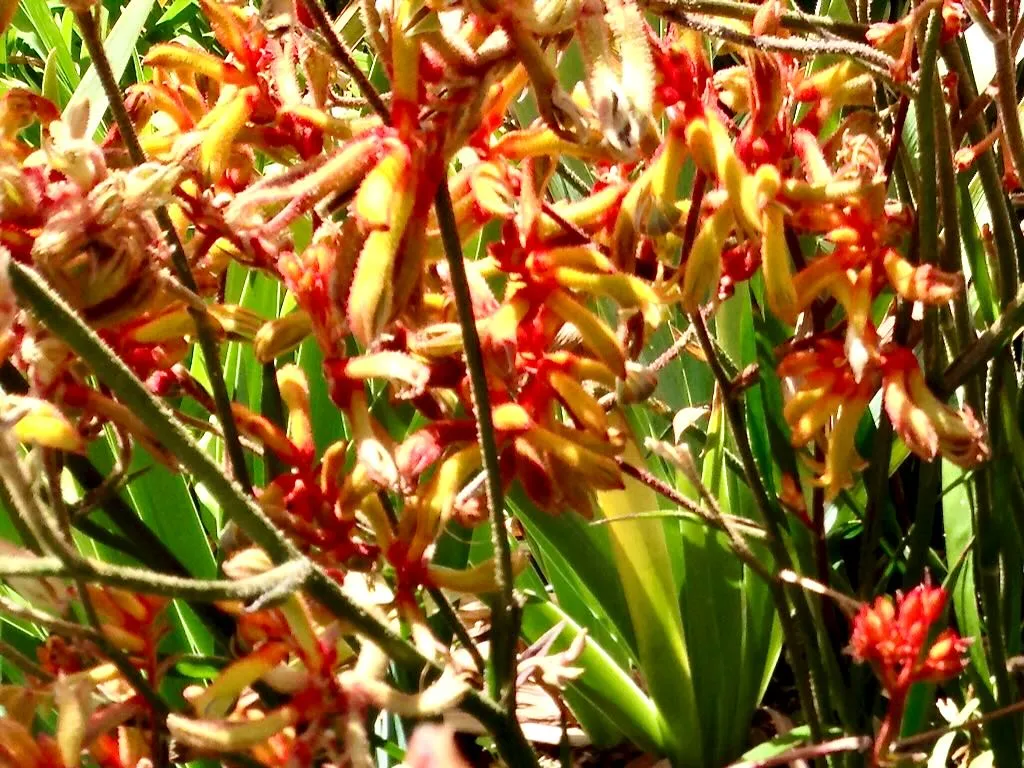
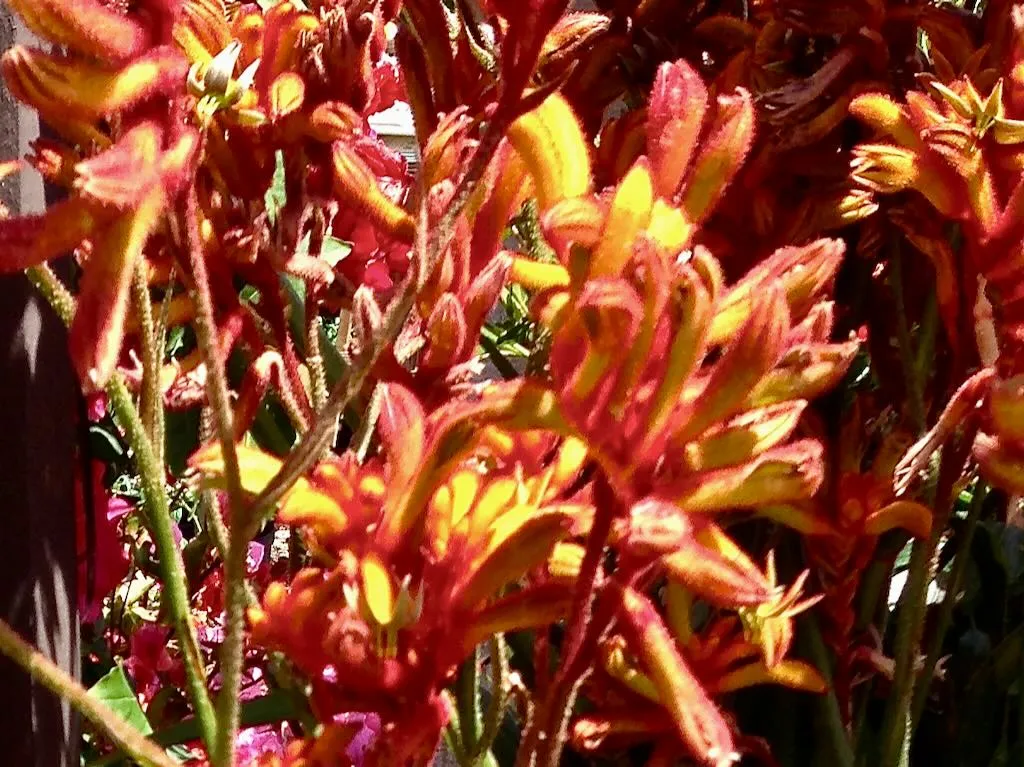
Anigozanthos ‘Amber Velvet‘ is a striking evergreen perennial that lights up the garden with its glowing orange blooms and velvety texture. Commonly known as Kangaroo Paw, this cultivar stands out for its long flowering season, durability, and sculptural form. Native to Australia, it thrives in warm, sunny environments and brings a vibrant touch to any landscape, border, or container garden.
Background and Plant Family
The Anigozanthos genus belongs to the Haemodoraceae family, often referred to as the bloodwort or kangaroo paw family. This family includes several drought-tolerant species native to Australia, prized for their tubular, fuzzy flowers and architectural foliage. ‘Amber Velvet’ was bred by Keith Oliver and developed by Lullfitz Nursery in Western Australia. It received recognition under Plant Breeders Rights on April 29, 2005, for its exceptional color and garden performance.
Description of Anigozanthos ‘Amber Velvet‘
This perennial forms neat clumps of strappy, evergreen leaves that emerge from underground rhizomes. The foliage typically reaches 30–40 cm (12–16 in) in height and remains lush and green throughout the year in mild climates. In spring, tall flowering stems rise above the foliage to a height of 0.9–1.2 m (3–4 ft), bearing numerous orange to amber-colored, velvety flowers.
Each flower resembles a kangaroo’s paw — hence the common name — and is densely covered in fine hairs that catch the light, creating a soft, shimmering appearance. The bloom color deepens slightly as it ages, shifting from amber-orange to rusty red tones. These tubular flowers are particularly attractive to hummingbirds and other nectar-feeding wildlife.
Growth Habit and Form
Anigozanthos ‘Amber Velvet’ has a clumping, upright habit with spreading rhizomes that slowly expand over time. It reaches a mature width of 60–90 cm (2–3 ft). Each fan of leaves flowers only once before fading, but new fans emerge from the base to replace older ones, ensuring continued vigor. The plant’s linear foliage gives it a clean, architectural appearance that suits both modern and natural garden designs.
Flowering Season of Anigozanthos ‘Amber Velvet’
This cultivar flowers primarily in spring, though in mild regions or with proper care, it can produce a second bloom period in late summer or early autumn. Each flowering stem holds multiple blooms that open gradually, providing color over several weeks. The long-lasting flowers also make excellent cut blooms, holding well in arrangements.
Environmental Tolerances
Anigozanthos ‘Amber Velvet’ thrives in full sun and tolerates heat and dry conditions once established. It performs best in climates with mild winters and warm, dry summers. It can withstand brief frost down to approximately –6 °C (20 °F) and will usually re-sprout from the base if damaged by cold. The plant dislikes prolonged humidity and poorly drained soil but performs reliably in coastal or inland gardens with good airflow and drainage.
How to Grow Anigozanthos ‘Amber Velvet‘
Light
Plant Anigozanthos ‘Amber Velvet’ in full sun where it receives at least six hours of direct sunlight each day. In extremely hot inland regions, a small amount of afternoon shade can protect the foliage from scorching.
Soil
This plant requires well-drained soil. Sandy or sandy-loam soil types are ideal. In heavy clay soils, amend the area with coarse sand, gravel, or composted bark to improve aeration and drainage. The preferred pH range is slightly acidic to neutral (6.0–7.2).
If drainage is poor, grow the plant in raised beds or containers using a free-draining mix. Kangaroo Paws are sensitive to excess phosphorus, so avoid high-phosphorus fertilizers or soil amendments.
Watering
During the establishment phase, water the plant regularly to encourage strong root growth. Once established, water deeply but infrequently, allowing the top 5–8 cm (2–3 in) of soil to dry between waterings. Overwatering can lead to root rot.
In containers, check soil moisture frequently in summer and water when the top 2–3 cm (about 1 in) feels dry. Always water at the base rather than from above to keep the foliage dry and reduce the risk of fungal problems.
Fertilizing
Fertilize lightly in early spring with a slow-release, low-phosphorus fertilizer formulated for Australian native plants. A second light application in midsummer can promote stronger growth and a possible second bloom. Avoid heavy feeding, as too much nitrogen can produce lush leaves but fewer flowers.
Mulching
Apply a 5–7 cm (2–3 in) layer of mulch around the base of the plant to conserve moisture, regulate soil temperature, and suppress weeds. Use materials such as gravel, coarse bark, or wood chips. Keep mulch a few centimeters away from the crown to prevent rot.
Temperature and Hardiness
Anigozanthos ‘Amber Velvet’ grows best in USDA Zones 9–11. It tolerates temperatures down to about –6 °C (20 °F). In cooler regions, protect the plant with mulch during cold spells or grow it in containers that can be moved indoors during frost.
Pruning and Maintenance
After the flowering season, remove old flower stems down to the base. Cut back any dead or damaged leaves at the same time, taking care not to injure new emerging fans. Pruning helps maintain a neat shape and encourages healthy new growth.
Every two to three years, rejuvenate the clump by cutting back the entire plant to about 5 cm (2 in) above the ground. This allows fresh fans to emerge and keeps the plant vigorous.
Avoid pruning late in the growing season, as new shoots may be damaged by early frosts. Always use clean, sharp pruning tools, as the leaf hairs can irritate the skin.
Growing Anigozanthos ‘Amber Velvet’ in Containers
This Kangaroo Paw performs beautifully in pots and is ideal for patios, balconies, or poolside settings. Use a large container at least 35–40 cm (14–16 in) wide with several drainage holes. Fill it with a premium, free-draining mix suitable for Australian natives.
Water container plants slightly more often than those in the ground, as pots dry faster. Feed with a light application of low-phosphorus fertilizer each spring. Re-pot every two to three years, or when the plant becomes crowded, to refresh the soil and maintain root health.
Propagation of Anigozanthos ‘Amber Velvet’
Division
The simplest and most reliable way to propagate Anigozanthos ‘Amber Velvet’ is by division. The best time is in late winter or early spring as new shoots begin to appear. Lift the clump gently with a garden fork and divide it into smaller sections, each with at least two or three healthy fans and a portion of rhizome.
Trim away any old or dead leaves, and replant divisions immediately into well-drained soil or pots. Water lightly to settle the soil, and keep the divisions just moist until they start to grow actively.
Seed
Propagation from seed is possible but not recommended for maintaining cultivar characteristics. Seedlings may vary in color and vigor, and it may take several years before they flower.
Pests and Diseases
Anigozanthos ‘Amber Velvet’ is relatively pest-resistant but can occasionally suffer from a few common problems.
Ink Spot Disease: This fungal disease appears as dark blotches on the leaves, usually in humid conditions or when overhead watering is frequent. Remove affected leaves and improve air circulation. Water only at the base of the plant.
Rust: Look for orange powdery patches on the undersides of leaves. Remove infected leaves and dispose of them. Avoid overcrowding plants and maintain good airflow.
Root Rot: The most serious problem for Kangaroo Paws occurs when the soil remains waterlogged. Ensure excellent drainage and reduce watering during cool or wet periods.
Snails and Slugs: They occasionally chew on young shoots. Use barriers or traps if needed, or hand-pick them in the evening.
Seasonal Care
Spring: Feed lightly with a native fertilizer, prune back any old foliage, and enjoy the main flowering period. Water regularly during dry spells.
Summer: Maintain moderate watering and remove spent blooms to encourage new growth. Watch for heat stress in pots and move them to light shade if necessary.
Autumn: Clean up faded stems and prepare for potential late blooms. Reduce watering as temperatures cool.
Winter: In cooler areas, mulch around the base to protect from frost. Water sparingly but do not allow the soil to dry completely.
Uses in the Garden
Anigozanthos ‘Amber Velvet’ works beautifully in water-wise gardens, contemporary landscapes, and mixed borders. Its upright habit contrasts well with fine-textured grasses and grey foliage plants. Use it as a focal point near paths or group several together for a mass of color.
It is also excellent as a cut flower. Harvest stems when about one-third of the flowers have opened, and they will last up to two weeks in a vase.
Summary
Anigozanthos ‘Amber Velvet’ offers vivid color, minimal maintenance, and resilience in challenging garden conditions. Its velvety orange blooms brighten the landscape through spring and beyond, attracting wildlife while requiring little water once established. Whether planted in a sunny border or container, this Kangaroo Paw stands out for its unique texture, bold color, and enduring charm.