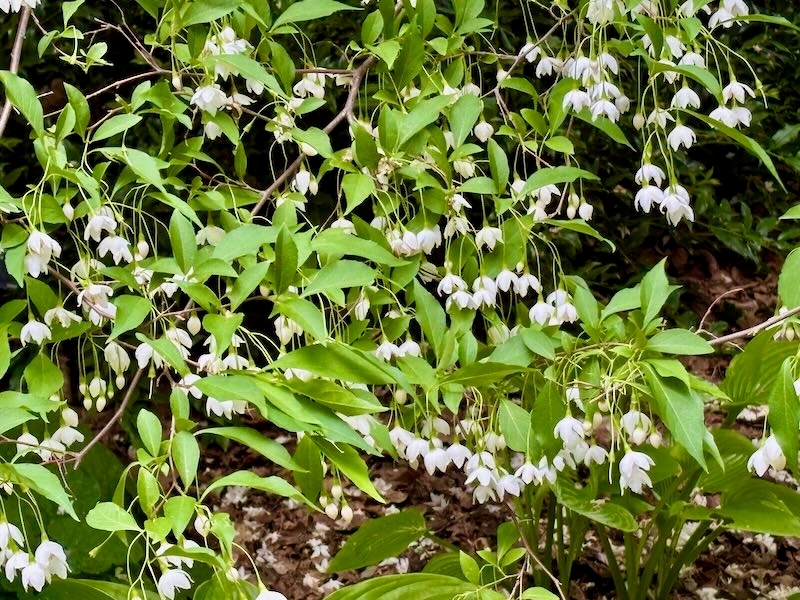
The Styracaceae Family: Fragrant Bells and Underrated Beauty for the Garden
The Styracaceae family, often referred to as the Snowbell Family or Silverbell Family, is a captivating group of flowering plants native to temperate and tropical regions of Asia and the Americas. It may not be the first family of plants to come to mind when you think of flowering trees and shrubs, but for gardeners seeking graceful form, soft fragrance, and pollinator appeal, this group holds quiet treasures.
Composed of around 11 genera and more than 150 species, this family of mostly deciduous trees and shrubs thrives in temperate and subtropical climates. Many members are native to eastern Asia, while others hail from North and South America. These plants bring not only elegance to garden spaces but also resilience and seasonal interest.
Styracaceae is best known for its bell-shaped flowers that bloom in late spring to early summer. These blossoms often hang in clusters, nodding gently beneath horizontal branches. White is the most common flower color, but pink-tinged cultivars also exist. The flowers are lightly fragrant, adding a sweet note to patios, woodland gardens, and pathways. Beneath these blooms, glossy green foliage often transitions to yellow or red in fall, offering multi-season beauty.
What Makes Styracaceae Unique in the Garden
Plants in the Styracaceae or Snowbell Family often form small to medium-sized trees or shrubs with horizontally layered branching. This creates an elegant silhouette that’s especially noticeable in winter. When the leaves drop, the bark—often striated with fissures in orange, brown, or gray—adds quiet texture to the landscape.
The most widely grown genera include Styrax (Japanese Snowbell), Halesia (Silverbell), and Pterostyrax (Epaulette Tree). Each brings something different to the table:
- Styrax japonicus, the Japanese Snowbell, features delicate, pendulous white flowers that emerge in early summer. Gardeners love its moderate size (20–30 ft tall and wide) and tolerance for partial shade.
- Halesia carolina, the Carolina Silverbell, is native to the southeastern U.S. and bursts into bloom with clusters of white or pale pink bells in spring.
- Pterostyrax hispidus, less common but visually striking, bears larger flowers and broad, arching branches that create a dramatic focal point.
Native Habitat and Growing Conditions for Styracaceae
Styracaceae members generally prefer moist, acidic soils rich in organic matter. These trees and shrubs thrive in woodland edges or shaded slopes where the soil stays cool and evenly moist. They do not tolerate drought or excessive heat well. When planting, choose a spot with morning sun and dappled afternoon shade to mimic their native understory habitat.
While many of these species are cold-hardy (USDA Zones 5–8), some cultivars may require protection from strong winds or extreme freezes. Proper siting—such as placing them on the north or east side of a building—will help protect both blooms and structure.
Garden Uses and Design Tips
The graceful shape and pendulous blooms of Styracaceae members make them perfect for mixed borders, woodland gardens, and contemplative seating areas. Because their flowers hang beneath branches, plant them where you can view them from below—along a slope, beside a walkway, or near a garden bench.
Use companion plants like Helleborus, Pieris japonica, Hosta, or Hydrangea to enhance their woodland charm. The layered canopy offers partial shade that benefits understory plantings. For fall interest, the turning foliage adds another dimension of color.
Ecological and Cultural Significance of Snowbell Family
In addition to their ornamental appeal, members of the Styracaceae family support wildlife. Their flowers attract bees, hummingbirds, and beneficial insects. Birds sometimes feed on the small, drupe-like fruits.
Historically, the hard wood of Styrax japonicus was used in Japan to make umbrella ribs and walking sticks. Some species contain compounds used in traditional medicine for their analgesic and antibacterial properties. In East Asia, extracts have even been used in folk fishing practices to stun fish using saponin-rich pericarps.
Cultural and Ethnobotanical Uses
Ornamental
- Styrax japonicus and Halesia species are celebrated ornamental trees due to their form, flowers, and fragrance.
- Valued for specimen planting, slope stabilization, and woodland garden design
Traditional Use
- In East Asia, wood has been used for umbrella ribs, walking sticks, and shogi game pieces
- Fruits of some species are saponin-rich and have been used to make soap or to stun fish in traditional fishing practices
- The name “egonoki” (Japanese) hints at the irritating taste of the fruits
Medicinal Use
- Some Styrax species are sources of medicinal resins used in traditional Chinese and Western medicine
- Extracts have shown potential analgesic, antibacterial, and hypoglycemic properties
- Active compounds include kaempferol-3-O-rutinoside, egosaponin, and egonol
Care and Maintenance of Snowbell Family
Styracaceae plants are generally low-maintenance once established. However, consistent moisture is key. Mulch to retain soil moisture and keep roots cool, especially in warmer zones. Prune in late winter to early spring to shape the plant and remove any dead or crossing branches.
Fertilize in early spring with compost or a balanced fertilizer designed for trees and shrubs. Most species are not highly susceptible to pests or diseases, though stressed plants may attract ambrosia beetles.
A Final Thought for Gardeners
While often overshadowed by flowering cherries or magnolias, the Styracaceae or Snowbell Family deserves a place in more gardens. Their refined form, seasonal fragrance, and ecological benefits make them a smart and beautiful addition to temperate landscapes. If you’re seeking a unique specimen tree that offers visual interest through multiple seasons, look no further than this elegant, underappreciated family.
The Genera in the Styracaceae family includes:
- Alniphyllum
- Bruinsmia
- Changiostyrax
- Halesia (Silverbell)
- Huodendron
- Meliosma (sometimes included in Sabiaceae, depending on classification)
- Parastyrax
- Perkinsiodendron
- Pterostyrax
- Rehderodendron
- Sinojackia
- Styrax (Snowbell)