Bulbine frutescens: A Comprehensive Guide
Bulbine frutescens, commonly known as Orange Bulbine, Stalked Bulbine, or Wild Kopieva, is a succulent perennial that belongs to the Asphodelaceae family. Native to southern Africa, including South Africa, Lesotho, and Eswatini, this hardy plant is cherished for its attractive, grass-like foliage and its bright, star-shaped flowers. Its resilience and ornamental value make it a popular choice for various garden settings, including rock gardens, borders, and xeriscaping projects.
Background and Botanical Information
The genus name Bulbine comes from the Greek word “bolbine,” a term historically used to describe bulbous plants, although Bulbine species do not have bulbous bases. The specific epithet “frutescens” means “shrubby,” which refers to the plant’s branching stems and overall growth habit.
Description
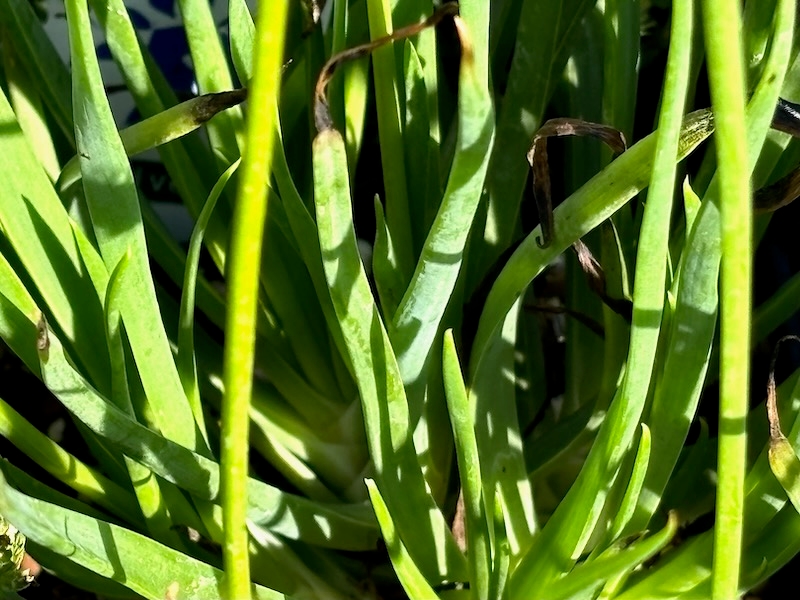
Bulbine frutescens is a compact, clumping succulent that grows up to 12-18 inches tall and spreads equally wide. The plant forms dense rosettes of linear, fleshy, grey-green leaves that can reach up to 18 inches in length. The leaves are cylindrical, resembling grass, which adds a unique texture to garden landscapes.
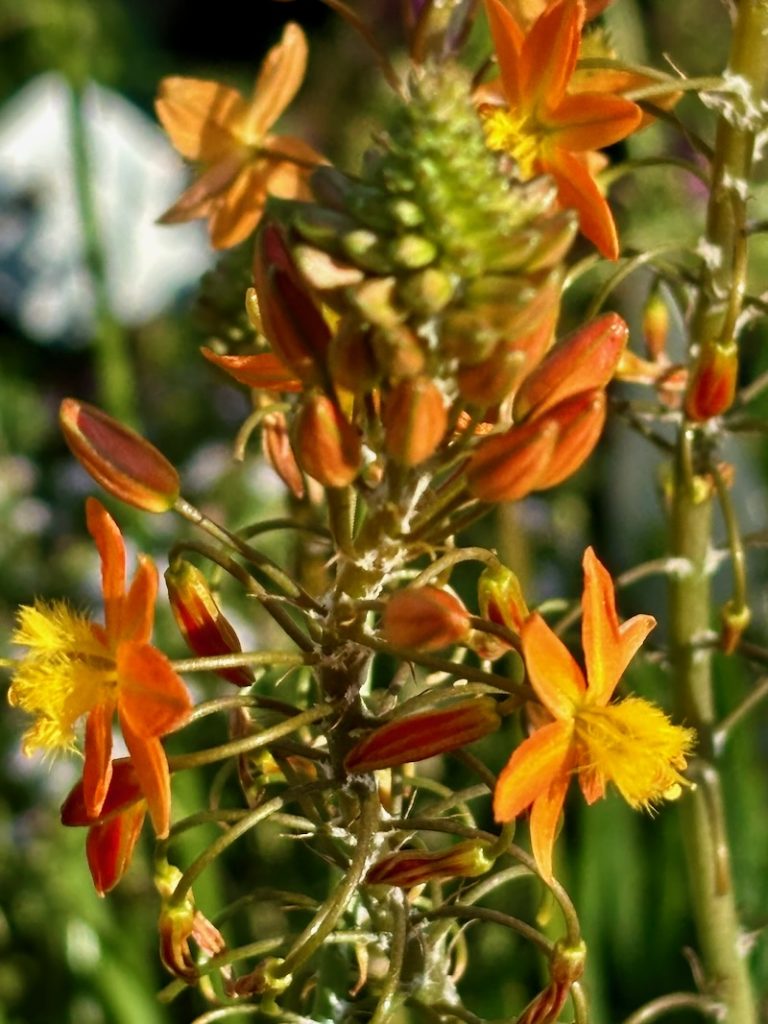
The flowers of Bulbine frutescens are small, star-shaped, and borne on erect inflorescences that rise above the foliage. These flowers can be yellow, pale orange, or white and feature distinctively tufted, “bearded” stamens. The blooms appear primarily from late spring to early summer, with a potential for reblooming in the fall, especially in coastal or mild climates.
Plant Family
Bulbine frutescens is a member of the Asphodelaceae family, which includes other well-known succulent plants such as Aloe and Haworthia. This family is characterized by its members’ thick, fleshy leaves and their ability to thrive in arid conditions.
Care Instructions for Bulbine frutescens:
Light: Bulbine frutescens thrives in full sun to light shade. While it can tolerate some shade, full sun exposure ensures the best growth and flowering performance.
Soil: This plant prefers well-drained soils and can tolerate a range of soil types, from poor, rocky soils to richer soils. Good drainage is essential to prevent root rot.
Water: Once established, Bulbine frutescens is highly drought-tolerant. Water regularly after planting to establish the root system, then reduce frequency. Supplemental irrigation during prolonged dry periods will promote better growth and more prolific blooming.
Temperature and Hardiness: Bulbine frutescens is hardy in USDA zones 9-11. It can tolerate heat and is suitable for xeriscaping. In colder climates, it is grown as an annual or in containers that can be brought indoors during the winter.
Fertilizer: This plant generally does not require much fertilization. If desired, a light application of a balanced fertilizer in early spring can promote growth. Avoid over-fertilizing, as this can lead to leggy growth.
Pruning: Remove spent flowers to encourage reblooming in the fall. Prune old foliage as needed to maintain a tidy appearance.
Pest and Disease Resistance: Bulbine frutescens is generally pest-free and resistant to deer and rabbits. It has no significant disease issues, making it an easy-care plant.
Propagation
Division: Bulbine frutescens can be propagated by division. Divide the clumps in early spring or fall. Simply dig up the plant, separate the offsets, and replant them in well-drained soil.
Stem Cuttings: Another method of propagation is through stem cuttings. Take cuttings in the summer, plant them immediately in well-draining soil, and place them in a shaded area. The cuttings will develop roots within a couple of months without requiring special treatment.
Uses in Landscaping
Bulbine frutescens is a versatile plant that can be used in various garden settings:
- Rock Gardens: Its compact size and drought tolerance make it ideal for rock gardens.
- Borders and Edging: Use it to create attractive borders or as an edging plant along walkways.
- Containers: Its growth habit and bright flowers make it a great choice for container gardening.
- Xeriscaping: Its drought tolerance makes it perfect for water-wise gardens.
- Wildlife Gardens: The flowers attract bees, butterflies, and hummingbirds, adding ecological value to the garden.
Conclusion
Bulbine frutescens is a resilient and attractive succulent that offers both aesthetic and practical benefits to gardeners. Its ease of care, drought tolerance, and long blooming period make it a valuable addition to any garden, whether in rock gardens, borders, or containers. With minimal maintenance and a high tolerance for various growing conditions, this plant is an excellent choice for both novice and experienced gardeners.