Sweet Beginnings: The Ever-Charming Primula acaulis ‘Sweet 16’
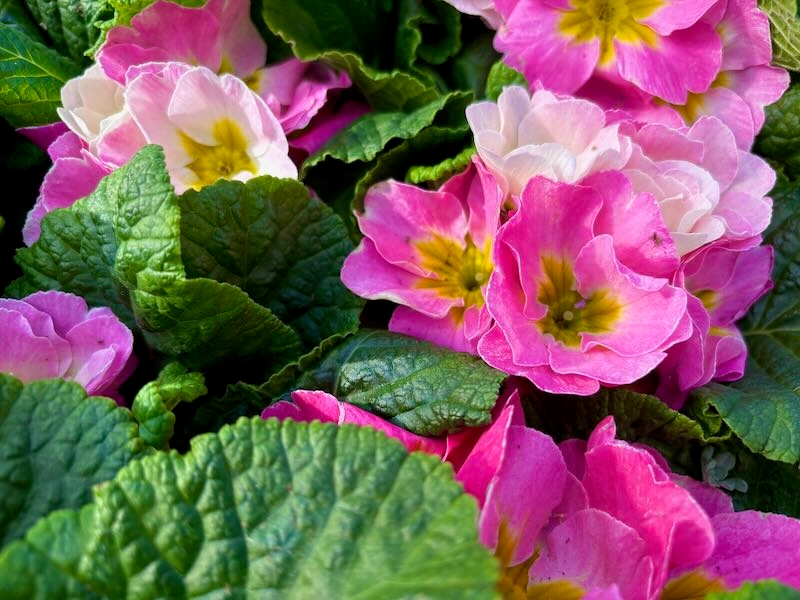
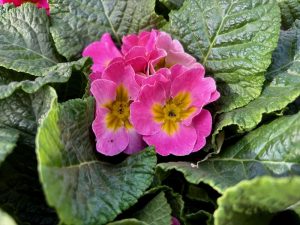
Primula acaulis ‘Sweet 16’ is one of those rare garden gems that bridges the seasons with a burst of shifting color and cheerful resilience. As soon as winter’s chill starts to loosen its grip, this delightful primrose awakens, offering gardeners a floral display that unfolds like a slow, beautiful sunrise. The magic begins with pure white blooms, slowly maturing through soft pink hues and finally settling into a deep, romantic rose. It’s a living color story that brightens borders, patios, and planters when most other flowers are still slumbering.
A Blossoming Introduction to Primula acaulis ‘Sweet 16’
What sets Primula acaulis ‘Sweet 16’ apart from other primroses is its dynamic, ever-changing bloom cycle. Unlike many plants that hold a steady hue throughout the season, this cultivar performs an enchanting transformation over time. Beyond its eye-catching palette, ‘Sweet 16’ also boasts an early flowering season, arriving nearly three weeks before varieties like Danova. It’s this early performance and extended bloom window, lasting from late autumn through midsummer, that makes it a prized choice for gardeners eager to welcome color into their landscapes across multiple seasons.
Finding the Perfect Spot
When planning a new home for Primula acaulis ‘Sweet 16’, location is everything. Although these plants will bravely tolerate some early spring sun, they perform best when tucked into a position with partial to dappled shade. Ideal planting sites include the sheltered understory of deciduous trees, where the soft spring sun reaches them before leaves unfurl fully overhead. In hotter climates, shielding them from harsh afternoon rays is a must, as excessive heat can cause stress and shorten bloom life.
Planting Primula acaulis ‘Sweet 16’ with Confidence
Planting is best done in spring, once the risk of frost has passed. In regions blessed with milder winters, you can start planting as early as autumn, allowing these stalwarts to establish themselves before the season’s coldest days arrive. When setting them into the soil, space plants 6 to 12 inches apart (about 15 to 30 centimeters). Their mounded, upright growth habit will gradually fill in these spaces, creating a dense tapestry of vibrant blooms.
It’s important to plant Primula acaulis ‘Sweet 16’ so that the crown—the point where the stems emerge from the roots—rests just above soil level. This ensures proper air circulation and minimizes the risk of crown rot.
Soil: The Foundation for Success
Like many members of the Primulaceae family, ‘Sweet 16’ thrives in soil that strikes the perfect balance between moisture retention and good drainage. A fertile, organic matter-rich soil is essential. Prior to planting, enrich garden beds with generous amounts of compost or well-aged manure. This not only feeds the plants but also improves soil structure, aiding water retention and drainage alike.
Mulching is another cornerstone of Primrose care. Applying a 1 to 2-inch (2.5 to 5 cm) layer of organic mulch helps regulate soil moisture, suppress weeds, and buffer the roots from both cold snaps and scorching heat waves.
Watering Wisely
Moisture is vital to Primula acaulis ‘Sweet 16’, but the balance must be just right. Too little water and the plants will wilt; too much, and they risk developing root or crown rot. Generally, aim for about 1 inch (2.5 cm) of water per week, whether from rainfall or supplemental irrigation. During dry spells, especially in spring and summer, check the soil regularly and water when the top inch (2.5 cm) feels dry.
In container settings, monitor water needs even more closely. Potted soil dries out faster than garden beds, so be prepared to water two or three times per week in hot conditions, always ensuring that pots have adequate drainage.
Primula acaulis ‘Sweet 16’ in Containers
If you’re short on garden space or love decorating your patio with seasonal charm, ‘Sweet 16’ is an excellent candidate for containers. Choose a pot with drainage holes and fill it with a high-quality potting mix enriched with organic matter. Container-grown plants may require more frequent watering than garden-grown counterparts, but the payoff is huge: an up-close view of their mesmerizing color transitions right outside your window or along a walkway.
Feeding for Longer-Lasting Blooms
For robust, healthy plants that bloom profusely, regular feeding is essential. During the growing season, apply a balanced, water-soluble fertilizer once every two weeks, diluted to half strength for the best results. If growing in containers, the nutrients in potting soil tend to leach out faster with frequent watering, so sticking to this feeding schedule ensures your primroses won’t fall short on nutrients.
When preparing garden beds, you can also apply a slow-release fertilizer at the start of the season to support steady growth.
Deadheading and Pruning for Performance
To maintain the neat, cheerful appearance of Primula acaulis ‘Sweet 16’, deadheading is a must. Once blooms begin to fade, simply snip the flower stem off at its base. This encourages the plant to channel its energy into producing fresh buds rather than seed production.
Throughout the season, monitor your plants for any signs of aging or diseased foliage. Removing these leaves will promote better air circulation and reduce the risk of fungal diseases like leaf spot.
Propagating Primula acaulis ‘Sweet 16’ for More Garden Joy
Division is by far the easiest way to propagate Primula acaulis ‘Sweet 16’. This can be done either in early fall or immediately after flowering in spring. Simply dig up an established plant, gently separate the root ball into smaller clumps, and replant them at the same depth as the original specimen.
While some gardeners explore seed propagation, it’s worth noting that offspring from hybrid primroses like ‘Sweet 16’ might not replicate their parent’s color-shifting magic. For true-to-type results, division is the way to go.
Winter Preparations for Primula acaulis ‘Sweet 16’
Primula acaulis ‘Sweet 16’ is reliably hardy, tolerating temperatures down to around 40°F (4.4°C). Still, in areas where snow cover is inconsistent or temperatures swing wildly, extra winter protection is smart. A thick layer of mulch, about 2 to 4 inches (5 to 10 cm), will insulate the roots from the cold. Evergreen boughs also make excellent protective mulch, offering breathability while preventing frost heave during winter thaws and freezes.
Come spring, remove the mulch as soon as the new foliage begins to emerge, but keep an eye on the forecast for any lingering frosts and cover the young leaves if needed.
Pests and Problems to Watch For
While generally problem-free, Primula acaulis ‘Sweet 16’ can attract a few unwelcome visitors. Slugs are the most common nuisance, especially during wet weather, leaving unsightly holes in the leaves. Applying slug bait or setting up beer traps can minimize damage.
Aphids and spider mites may also visit, particularly on stressed or overcrowded plants. A strong blast from the hose often dislodges them, or a gentle application of insecticidal soap can solve more persistent infestations.
Diseases like fungal leaf spot can occur in humid conditions or if the plants lack proper airflow. To prevent this, avoid overhead watering and provide adequate spacing.
Versatile and Vibrant: Landscaping with Primula acaulis ‘Sweet 16’
Whether massed along the front of a border, nestled into rock gardens, or brightening containers, Primula acaulis ‘Sweet 16’ offers unmatched versatility. Pair them with early-spring companions such as hellebores, snowdrops, and crocuses for a layered tapestry of seasonal color. Later in the season, as the blooms mellow into rose tones, they complement taller perennials like foxgloves and columbines beautifully.
A Rewarding Addition to Every Garden
From its ever-changing blooms to its easygoing nature, Primula acaulis ‘Sweet 16’ is more than just a pretty face—it’s a hardworking, cold-season star. With just a little attention to soil, moisture, and light, this primrose rewards gardeners with months of elegant, cheerful color, brightening even the grayest corners of your garden or patio.
If you’re looking to extend your garden’s flowering season and add depth and charm, Primula acaulis ‘Sweet 16’ is a cultivar worth welcoming home.