Agastache ‘Betterbuzz Amarillo’: A Sun-Loving Pollinator Powerhouse
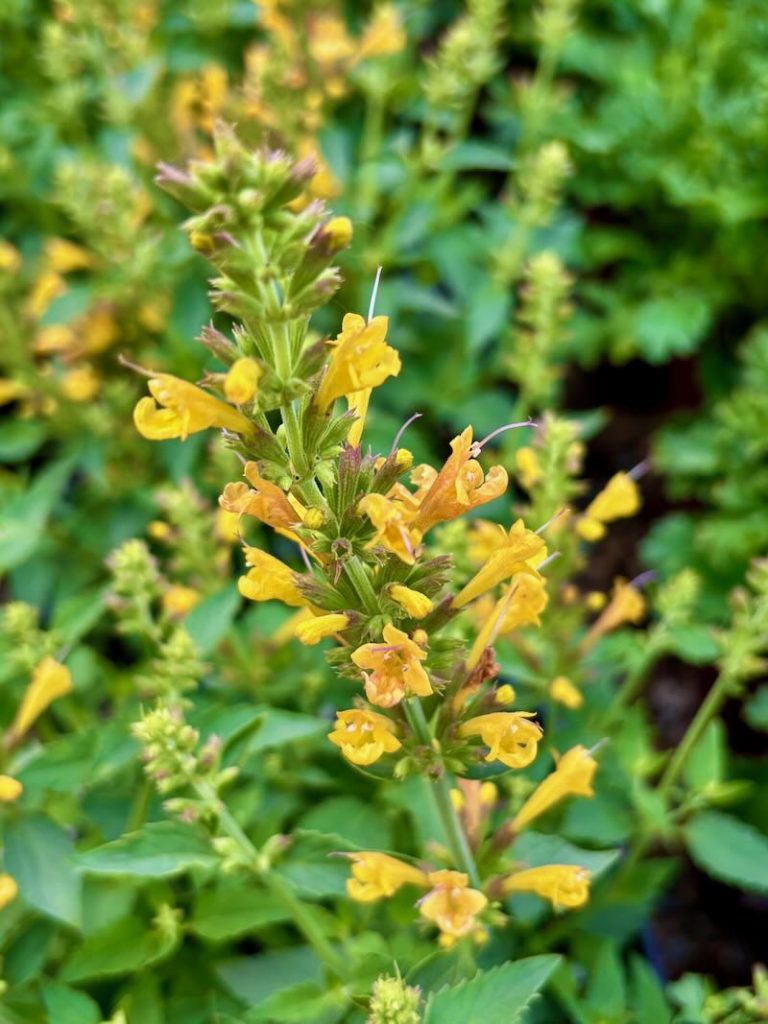
Agastache ‘Betterbuzz Amarillo’ is a golden delight in the garden, known for its profusion of soft yellow blooms and aromatic foliage. This cultivar of Agastache aurantiaca, commonly referred to as Betterbuzz Amarillo Hyssop, is a standout member of the Betterbuzz Series introduced by Dümmen Orange. Beloved for its ability to bloom prolifically in its first year, this hyssop hybrid thrives in heat and drought, produces fragrant foliage, and is practically irresistible to pollinators like bees, butterflies, and hummingbirds. It combines ornamental charm with rugged resilience, making it a reliable performer in beds, borders, and containers.
Belonging to the mint family, Lamiaceae, Agastache ‘Betterbuzz Amarillo’ shares the square stems and aromatic leaves typical of its relatives. Native to the mountainous regions of North America, its parent species are adapted to tough conditions, and this particular cultivar continues that legacy with strong, upright growth, drought tolerance, and minimal maintenance needs. This is a plant that does more than just survive—it thrives in sunny spots where other perennials might struggle, offering a long season of bloom from summer well into fall.
Features of Betterbuzz Amarillo
Standing about 45–50 cm (18–20 inches) tall and spreading up to 60 cm (24 inches) wide, this variety forms a dense, bushy clump topped with upright spires of yellow, tubular flowers. These airy blooms rise gracefully above the finely cut green foliage, adding color, movement, and fragrance to the garden. The flowers are not only ornamental but also excellent for cutting and drying, adding further value to floral arrangements and herbal uses. Whether used as a centerpiece in containers or mass-planted in dry borders, this hyssop delivers cheerful impact with little effort.
This hardy perennial is rated for USDA zones 5 through 9 and handles urban conditions, salt exposure, and poor soils with ease. Its low water needs, coupled with high floriferousness, make it ideal for water-wise landscapes and pollinator-friendly gardens. Deer typically avoid it, but beneficial insects flock to it—making it a cornerstone of ecologically conscious planting.
How to Grow Agastache ‘Betterbuzz Amarillo’
Light
Agastache ‘Betterbuzz Amarillo’ performs best in full sun, requiring at least 6–8 hours of direct sunlight daily to achieve maximum flowering. While it can tolerate light shade, doing so may compromise bloom density and plant vigor. In cooler climates, southern or western exposure will provide the heat it craves. In hotter regions, afternoon shade may help reduce stress during peak summer temperatures but isn’t strictly necessary.
Soil
Well-drained soil is non-negotiable for this plant. Like most agastaches, it dislikes wet feet and is prone to root rot if left in soggy conditions. Ideal soils are sandy or loamy with good aeration and a pH between 6.0 and 7.5. It performs especially well in poor, rocky, or alkaline soils—typical of its native habitats—and does not require rich organic matter to flourish. If planting in heavy clay, amend the site with grit or composted bark to improve drainage.
Watering
Water deeply but infrequently. After initial planting, water weekly until roots are well-established. Once mature, Agastache ‘Betterbuzz Amarillo’ becomes notably drought tolerant, surviving extended dry spells without complaint. In containers or especially hot climates, more frequent watering may be necessary, but always allow the top few inches of soil to dry out between waterings. Standing water will quickly compromise the health of the plant.
Fertilizing
This hyssop doesn’t demand much in the way of fertilizer. In most soils, a light application of a balanced, slow-release fertilizer in early spring is sufficient to support a season of healthy growth and blooming. Alternatively, a top-dressing of compost or well-rotted manure will provide a more natural source of nutrients. Avoid high-nitrogen fertilizers, which may encourage leafy growth at the expense of flowers.
Pruning and Maintenance
Pruning is straightforward. Cut back old stems to about 10 cm (4 inches) from the base in late fall or early spring before new growth emerges. This promotes fresh, vigorous growth and keeps the clump tidy. Deadheading spent flowers through the season will encourage continued blooming. Mulching around the base in early spring can help retain moisture and suppress weeds, but avoid piling mulch directly on the crown.
Propagation of Agastache ‘Betterbuzz Amarillo’
While this cultivar is typically propagated vegetatively and may be protected under plant breeder’s rights, home gardeners can attempt propagation via division or semi-ripe stem cuttings. Division should be done in spring or early autumn by carefully lifting and splitting mature clumps. Take care not to damage the woody crown, as this can hinder regrowth.
Cuttings taken in early summer can root successfully under warm, moist conditions with bottom heat. However, as a named cultivar, commercial propagation may be restricted, so always check for intellectual property protections before distributing or selling propagated material.
Pests and Diseases
One of the many reasons gardeners love Agastache is its natural resistance to pests and diseases. Agastache ‘Betterbuzz Amarillo’ is generally unbothered by deer, rabbits, and most common insect pests. Its aromatic foliage deters many chewing insects, and its tough constitution helps it shrug off minor environmental stress.
That said, overwatering or poor drainage can lead to root rot, especially in winter. Powdery mildew may appear in overly humid or crowded conditions, but it rarely affects plant health significantly. Ensuring good air circulation and proper spacing (30–38 cm / 12–15 inches apart) helps prevent fungal problems.
Agastache ‘Betterbuzz Amarillo’ in the Landscape
With its compact yet airy form, Agastache ‘Betterbuzz Amarillo’ works beautifully as a border perennial, herb garden focal point, or container thriller. Its soft yellow flowers pair harmoniously with lavender, deep purple, or silver-toned companions like Lavandula, Salvia, or Artemisia. The flowers’ vertical structure contrasts nicely with mounding plants or cascading elements in mixed plantings.
In pollinator gardens, this hyssop is a magnet for bees and butterflies, especially when grown in sunny, open spaces. Massed plantings create a visual rhythm, while single specimens in pots add color and fragrance to patios or balconies. It thrives in xeriscapes and Mediterranean-style gardens, offering both function and charm.
Final Thoughts
Agastache ‘Betterbuzz Amarillo’ is more than just a pretty face. With its heat and drought tolerance, pollinator appeal, fragrant foliage, and long bloom period, it’s an all-around garden workhorse. Whether you’re designing a low-water landscape, building a pollinator habitat, or just looking for a splash of sunshine-colored blooms, this hyssop delivers with ease. Combine its cheerful presence with minimal maintenance needs, and it’s clear why this cultivar deserves a spot in every sun-loving perennial garden.