
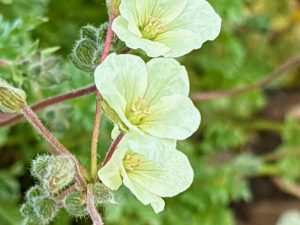
Erodium chrysanthum: A Gleaming Jewel for Rock Gardens
Erodium chrysanthum, commonly called Silver Heronsbill or Yellow Heron’s Bill, is a charming evergreen perennial native to the alpine regions of Greece. This compact, mound-forming species in the Geranium Family (Geraniaceae) combines graceful, finely textured foliage with delicate lemon-scented flowers for an extended display that can last from spring through late summer. Not only is it beautiful, but it is also exceptionally adaptable, drought-tolerant, and easy to grow.
Botanical Background and Taxonomy
The genus Erodium gets its name from the Greek word erodios, meaning heron, a nod to the plant’s beaked seed pods that resemble a heron’s head and bill. The specific epithet chrysanthum translates from Latin as “golden-flowered,” a reference to the plant’s delicate yellow blossoms. Although species plants are still cultivated, many of the Erodium chrysanthum plants available in nurseries today may be hybrids.
Growth Habit and Description
Silver Heronsbill forms dense, silvery mounds of feathery, fern-like foliage that remain evergreen in most climates. Each basal leaf is finely dissected, silvery-gray, and slightly hairy, offering excellent texture in a rock garden or gravel bed even when the plant is not in bloom. Typically, this perennial reaches 8–10 inches (20–25 cm) in height and can spread 10–25 inches (25–65 cm) across.
From late spring into early autumn, Erodium chrysanthum produces umbels of 2–7 saucer-shaped flowers in soft creamy yellow to sulfur-yellow tones, each about 0.75 inches (2 cm) across. These geranium-like blossoms bloom atop branching stems and add subtle fragrance and delicate color over a long season.
One fascinating aspect of this species is its dioecious nature. Male and female flowers occur on separate plants, and unless both sexes are grown together, female plants will not form the beaked seed pods that lend this plant its heron-related common name.
How to Grow Erodium chrysanthum
Light
This sun-loving plant thrives in full sun but can tolerate light afternoon shade, especially in hotter climates. A location with ample morning light and good airflow promotes vigorous growth and flowering.
Soil
Erodium chrysanthum excels in gritty, sharply-drained soils. Sandy or gravelly loam enriched with organic matter works best. Soil pH should be neutral to alkaline. If your garden soil tends toward acidity, consider adding lime in the fall.
Watering
Once established, this perennial is drought-tolerant. Water regularly during the first growing season to ensure a strong root system. Avoid overwatering—wet conditions, especially in winter, may lead to root rot.
Fertilizing
Feed sparingly. In spring, apply a balanced, slow-release fertilizer or compost to encourage healthy growth and flowering. Over-fertilization can lead to lush foliage at the expense of blooms.
Pruning and Maintenance
Deadhead faded flowers regularly to extend the blooming period and maintain a tidy appearance. In late winter or early spring, gently rake or prune away any dead or damaged foliage.
Divide clumps every 2 to 3 years in spring to rejuvenate older plants and encourage continued vigor.
Pests and Diseases
Erodium chrysanthum is largely pest- and disease-resistant. Occasionally, leaf galls or minor infestations of aphids and spider mites may appear. Plants grown in containers should be monitored for vine weevil. Maintain good air circulation and avoid excess moisture to minimize problems.
Hardiness and Climate Adaptation
Hardy in USDA Zones 4–9, Erodium chrysanthum can tolerate temperatures down to −12°C (10°F) or lower. While it generally handles cold well, excessive winter wetness may damage the roots. Ensure excellent drainage and consider winter protection in regions with heavy rainfall.
Landscape Uses
Silver Heronsbill is ideally suited to rock gardens, gravel beds, alpine troughs, or even container plantings. Its modest size and refined texture also make it a great candidate for edging pathways or filling gaps in a sunny perennial border. Use it as a specimen among boulders or on a slope where its silvery foliage can catch the light.
Deer typically avoid this plant, and its fragrance deters many pests, making it a low-maintenance yet visually delightful choice for xeric or Mediterranean-style landscapes.
Propagation of Erodium chrysanthum
Propagate Erodium chrysanthum by division in early spring or by softwood basal cuttings in late spring to early summer. While seed propagation is possible, remember that only female plants will set seed if male plants are nearby.
Final Thoughts
With its long flowering season, elegant foliage, and reliable performance in difficult soils, Erodium chrysanthum is a must-have for rock garden enthusiasts and those seeking water-wise perennial solutions. Whether grown as a single accent or a soft-textured filler, Silver Heronsbill brings lasting charm to any sunny, well-drained setting.