
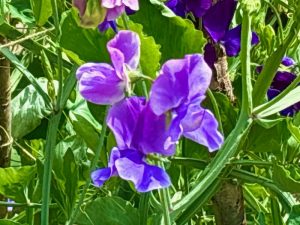
Lathyrus odoratus ‘Blue Danube’: A Classic Heirloom for Fragrant Summer Gardens
Lathyrus odoratus ‘Blue Danube’, commonly known as Sweet Pea ‘Blue Danube’, is a beloved heirloom cultivar that captivates with its stunning violet-blue blooms and intoxicating fragrance. A favorite of cottage gardeners and cut-flower enthusiasts alike, this charming climber adds old-fashioned elegance and an unmistakable perfume to trellises, fences, and floral arrangements. Belonging to the legume family Fabaceae, this annual flowering vine thrives in cooler conditions and rewards even modest care with a profusion of beautiful blooms.
Unlike many modern hybrids, ‘Blue Danube’ retains the delicate floral structure and rich scent of traditional sweet peas, making it especially attractive to pollinators and nostalgic gardeners alike. Its deep hues of violet and blue shimmer in soft morning light and glow vividly against lighter companions such as white foxgloves or silver-foliaged artemisia.
The Elegance and Appeal of Lathyrus odoratus ‘Blue Danube’
There’s something timeless about the charm of Lathyrus odoratus ‘Blue Danube’. With its ruffled petals, slender winged stems, and strong climbing habit, this cultivar brings romantic flair to arbors and garden structures. The flowers typically bloom in pairs or trios, and each floret features gentle ripples along the edges, creating a graceful silhouette that moves in the breeze.
Growing to a height of 1.8 to 2.4 meters (6 to 8 feet), this sweet pea is ideal for vertical displays. The tendrils twine easily around supports, requiring minimal guidance from the gardener. When planted in succession or spaced carefully along fencing, the result is a living curtain of purple-blue blossoms.
Flowering begins in late spring or early summer and may continue through midsummer in regions with cooler night temperatures. As an annual, Lathyrus odoratus ‘Blue Danube’ completes its life cycle in one season, but the memory of its perfume lingers long after the last bloom fades.
How to Grow Lathyrus odoratus ‘Blue Danube’
Light
Place Lathyrus odoratus ‘Blue Danube’ in full sun for optimal flowering. In regions with very hot summers, a location that receives morning sun and light afternoon shade will prevent heat stress and extend the bloom season. At least 6 hours of direct light is ideal.
Soil
Grow this cultivar in fertile, well-draining soil with a neutral to slightly alkaline pH (6.5 to 7.5). Sweet peas dislike compacted or soggy ground. Prepare the planting site by working in aged compost or well-rotted manure to improve structure and fertility. Raised beds or loose garden loam are perfect for these climbing annuals.
Watering
Water deeply and consistently. Keep the soil evenly moist but not waterlogged. During hot or windy periods, increase the frequency of watering. Mulching at the base of the plants will help retain moisture and suppress weeds.
Aim for 2.5 cm (1 inch) of water per week, adjusting as needed based on rainfall and temperature. Avoid overhead watering, which can promote mildew and disease.
Fertilizing
Feed Lathyrus odoratus ‘Blue Danube’ with a balanced liquid fertilizer every two to three weeks during the growing season. Look for a formula with moderate nitrogen and higher phosphorus and potassium to support flower production over foliage growth.
Alternatively, mix a slow-release granular fertilizer into the soil at planting time. Avoid overfeeding with nitrogen-rich fertilizers, which encourage leafy vines but reduce flowering.
Support and Training
Provide strong vertical support early in the season. A trellis, obelisk, bamboo teepee, or fence works well. As vines grow, gently tie them to the structure or let their tendrils find their own way. Avoid crowding, which can lead to poor air circulation and reduced flower quality.
Climate and Environmental Tolerances
Lathyrus odoratus ‘Blue Danube’ prefers cool growing conditions and performs best in temperate climates. It is not heat-tolerant and may stop flowering if exposed to extended periods of high temperatures above 29°C (85°F). It can tolerate light frost when young but will succumb to hard freezes.
Plant it early in spring, as soon as the soil can be worked. In mild-winter areas, sow in fall for an early bloom the following spring.
Propagation
Propagate Lathyrus odoratus ‘Blue Danube’ from seed. Start seeds indoors 6 to 8 weeks before the last expected frost or sow directly outdoors once soil temperatures reach 10°C to 15°C (50°F to 59°F). Soaking seeds in water overnight or nicking the outer coating will speed germination.
Use biodegradable pots for transplants to avoid disturbing the roots, as sweet peas dislike transplant shock. Space seedlings 15 to 20 cm (6 to 8 inches) apart for good airflow and vigorous growth.
Pests and Diseases
While generally trouble-free, Lathyrus odoratus ‘Blue Danube’ may encounter a few common issues:
- Aphids: These sap-sucking insects often cluster on new growth. Control with insecticidal soap or by blasting with water.
- Powdery mildew: Poor air circulation and wet foliage can lead to mildew. Space plants properly and water at the base.
- Thrips: These tiny pests can cause petal discoloration and scarring. Use reflective mulch or neem oil for management.
- Slugs and snails: Especially problematic in early spring, these pests chew seedlings and stems. Handpick or use barriers like crushed eggshells.
Always monitor for signs of stress and treat promptly to ensure healthy blooming.
Flowering Season and Bloom Care
Expect flowers to begin in late spring and continue into midsummer. In cooler areas, blooming may persist through July. Deadheading regularly will encourage new buds and prolong the flowering window.
Cut flowers early in the morning for best fragrance and vase life. Use sharp scissors or floral snips and place stems in cool water immediately. Sweet peas do not tolerate floral preservatives, so change water daily for freshness.
To encourage even more blooms, pick flowers frequently. Leaving flowers to go to seed signals the plant to slow down or stop production.
Design Tips and Companion Planting
The intense violet-blue tones of Lathyrus odoratus ‘Blue Danube’ pair beautifully with soft pastels or silver foliage. Try growing it alongside:
- White or blush foxgloves (Digitalis purpurea)
- Lavender (Lavandula angustifolia)
- Shasta daisies (Leucanthemum x superbum)
- Dusty miller (Senecio cineraria)
- Nicotiana in pale greens or whites
Use this sweet pea as a vertical accent in borders, cottage gardens, or mixed containers. Its upright habit also lends itself to decorative obelisks in formal settings or even temporary arches for events.
Harvesting Seeds
At the end of the growing season, allow a few pods to mature and dry on the vine if you’d like to collect seed. Pick once the pods are brown and papery. Store seeds in a cool, dry location for sowing the following season.
Note: While some sweet pea seeds are viable for collection, avoid eating any part of the plant. All parts of Lathyrus odoratus are toxic if ingested.
Final Thoughts: Why Grow Lathyrus odoratus ‘Blue Danube’
If you’re looking for a reliable, highly fragrant heirloom with classic appeal, Lathyrus odoratus ‘Blue Danube’ delivers in every way. Its old-world charm, vigorous vertical growth, and cool-toned blooms make it a garden essential for those who appreciate both color and scent. Whether you plant it for nostalgic reasons or fresh floral arrangements, this cultivar offers lasting impact in a single season.
With thoughtful placement, a bit of care, and regular picking, you’ll enjoy weeks of fragrant, jewel-toned blossoms — a floral symphony of violet and blue that brings elegance to your garden and joy to every bouquet.