
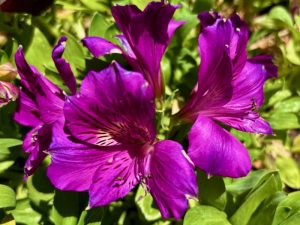
Alstroemeria ‘Colorita® Tamara’: A Compact Jewel for Season-Long Blooms
Alstroemeria ‘Colorita® Tamara‘, commonly known as Peruvian Lily or Lily of the Incas, is a stunning perennial that brightens any garden with its rich fuchsia and purple flowers accented by creamy white throats and burgundy spotting. Part of the popular Colorita® series from Royal Van Zanten, this variety was carefully bred to provide compact growth, prolific blooming, and excellent performance in containers or garden beds. With proper care, ‘Colorita® Tamara’ will reward you with continuous color from late spring to early fall, making it an ideal choice for gardeners who want show-stopping flowers without high maintenance demands.
Background and History
Alstroemeria is native to the mountain regions of South America, especially Chile and Brazil, where it thrives in cooler highland conditions. It was introduced to Europe by Swedish botanist Claus von Alstroemer in the 18th century, and since then, breeders have worked tirelessly to develop new hybrids with improved colors, forms, and growth habits.
The Colorita® series, which includes ‘Tamara’, is a product of Royal Van Zanten’s innovative breeding program in the Netherlands. These hybrids are compact, reliable bloomers designed to withstand moderate frosts and deliver an extended flowering season. ‘Colorita® Tamara’ is a patented variety, which means propagation without permission is prohibited.
Flowers and Foliage of Alstroemeria ‘Colorita® Tamara’
‘Colorita® Tamara’ features striking trumpet-shaped flowers in bold fuchsia and deep purple tones, highlighted by creamy white throats with delicate burgundy streaks. These eye-catching blooms grow in clusters atop sturdy, upright stems, making them excellent for cutting. The flowers are long-lasting both in the garden and in vases, often holding their color and form for up to two weeks indoors.
The foliage is equally attractive. Glossy, lance-shaped leaves provide a lush green backdrop for the vivid flowers. Like all Alstroemeria, the leaves twist as they grow—a phenomenon known as resupination—giving the plant its distinctive appearance. This variety forms compact clumps and typically reaches about 20–24 inches (50–60 cm) in height, making it a versatile option for containers, borders, or even as an accent in mixed beds.
Plant Family
Alstroemeria ‘Colorita® Tamara’ belongs to the family Alstroemeriaceae, a small but remarkable plant family within the order Liliales. Members of this family are mostly native to South America, with a few species extending into New Zealand and southeastern Australia.
Flowering Season
One of the greatest advantages of ‘Colorita® Tamara’ is its long flowering season. Plant it in spring, and you can enjoy blooms from late spring well into early fall. In warmer climates, flowering may extend even further. Prompt removal of spent flower stems encourages continual blooming, keeping the plant looking fresh and colorful throughout the season.
How to Grow Alstroemeria ‘Colorita® Tamara‘
Growing Alstroemeria ‘Colorita® Tamara’ is rewarding when you give it the right conditions. Follow these guidelines to ensure lush growth and abundant flowering:
Light
Plant Alstroemeria ‘Colorita® Tamara’ where it receives full sun for at least six hours a day. In hotter climates, provide afternoon shade to protect the plant from scorching and prolong the life of its blooms. Avoid deep shade, as it will reduce flowering and weaken the plant.
Soil
Prepare the soil before planting by working in plenty of organic matter such as compost or well-rotted manure. Alstroemeria thrives in fertile, well-draining soil with a slightly acidic to neutral pH (5.5–6.5). Avoid heavy, waterlogged conditions, which can lead to root rot.
Watering
Keep the soil consistently moist but not soggy. Water deeply once or twice a week, adjusting frequency during dry spells. For containers, check moisture levels frequently—container-grown plants may need watering every few days in summer. Always water at the base to avoid wetting the foliage, which helps prevent fungal issues.
Fertilizing
Feed Alstroemeria ‘Colorita® Tamara’ generously during the growing season. Apply a slow-release fertilizer in spring when new growth emerges, and supplement with a high-potash liquid fertilizer every two to three weeks during flowering. Container-grown plants may need feeding more often to sustain blooming.
Pruning and Deadheading
To encourage continuous flowering, pull spent flower stems from the base rather than cutting them. This method stimulates new growth and prevents seed production. In early spring, remove any old foliage before new shoots emerge to keep the plant tidy and healthy.
Winter Care
In USDA zones 8–11, ‘Colorita® Tamara’ can remain in the ground year-round. In cooler regions (zones 6–7), protect the crown by applying a thick layer of mulch in late fall. For containers, move the plant to a frost-free location such as a greenhouse or bright indoor space. Reduce watering during dormancy, keeping the soil barely moist.
Propagation of Alstroemeria ‘Colorita® Tamara’
Division is the most effective way to propagate Alstroemeria. In early spring, dig up mature clumps and carefully separate the rhizomes, ensuring each division has healthy roots and shoots. Replant immediately at the same depth, spacing divisions about 12 inches (30 cm) apart. Keep in mind that ‘Colorita® Tamara’ is a patented plant, and unauthorized propagation is not permitted.
Pests and Diseases
Alstroemeria ‘Colorita® Tamara’ is relatively resistant to pests, but aphids, thrips, and spider mites may occasionally appear. Treat infestations early with insecticidal soap or neem oil. Slugs and snails can damage young shoots, especially in damp conditions. To prevent fungal diseases like botrytis (gray mold), ensure good air circulation and avoid overhead watering.
Landscape Uses
This compact, clump-forming perennial works beautifully in containers, making it perfect for patios, balconies, and small gardens. In the landscape, use Alstroemeria ‘Colorita® Tamara’ to brighten mixed borders, edge garden paths, or create a colorful focal point in raised beds. Its long-lasting blooms and sturdy stems also make it a top choice for cutting gardens.
Why Choose Alstroemeria ‘Colorita® Tamara’?
Choose this variety if you want a low-maintenance perennial with a big visual impact. Its compact size makes it easy to integrate into any garden design, while its long-lasting blooms provide months of vibrant color. Deer tend to avoid it, and its tolerance for drought and heat makes it a resilient choice for challenging conditions.
Final Thoughts
Alstroemeria ‘Colorita® Tamara’ delivers everything you want in a perennial: vibrant, long-lasting flowers, easy care, and adaptability to various garden settings. Plant it in well-prepared soil, provide consistent moisture and feeding, and enjoy its dazzling display from late spring through fall. Whether in containers or the garden, this Peruvian Lily is sure to become a favorite for seasons to come.