Grow Alstroemeria ‘Inca Batavia®’ for Long-Season Purple Drama
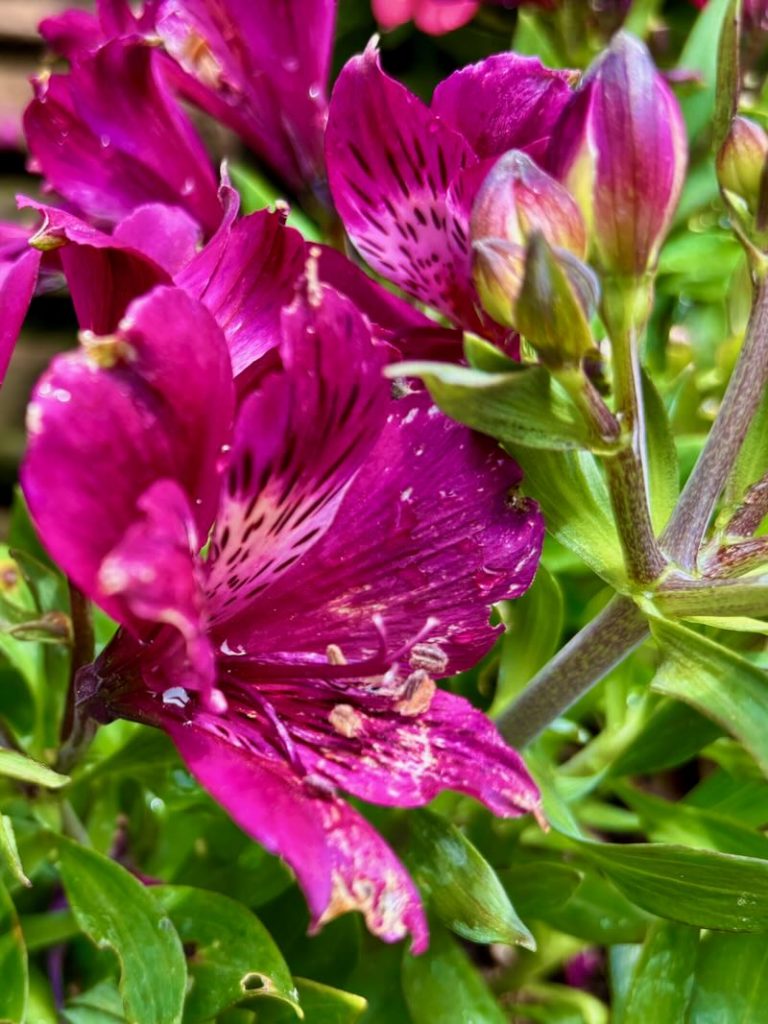
Alstroemeria ‘Inca Batavia®’ arrives in the garden like a jewel. This compact Peruvian Lily produces a steady parade of deep royal purple trumpets from early summer to the first frost. Gardeners prize it for long-lasting blooms, sturdy stems, and a tidy clumping habit. Plant it in borders, containers, or cutting beds. Place it where you want color that persists without fuss.
Alstroemeria ‘Inca Batavia®’ — Quick facts and common names
Alstroemeria ‘Inca Batavia®’ goes by several names that gardeners search for. Call it Inca Batavia® Peruvian Lily, Peruvian Lily, or Lily of the Incas. Its botanical genus, Alstroemeria, places it in the family Alstroemeriaceae. The cultivar stems from modern breeding programs in the Netherlands and appears in Proven Winners and similar collections. It combines compact size with nonstop flowering. Expect a mature height of about 30–45 cm (12–18 in) and a spread of 30–45 cm (12–18 in). Space plants 30 cm (12 in) apart for a dense clump or 45 cm (18 in) for a looser grouping.
Plant family, origin and breeder
Alstroemeria belongs to the family Alstroemeriaceae. The group originates from South America, especially Chile and Brazil. European horticulture adopted them in the 18th century thanks to botanists like Clas Alströmer. Modern cultivars such as ‘Inca Batavia®’ result from Dutch breeding programs. Breeders aimed to reduce height, lengthen the season, and improve cut-flower life. As a result, ‘Inca Batavia®’ shows tighter, well-branched clumps and exceptional re-blooming. Therefore, it fits both home gardens and professional floral production.
How to grow Alstroemeria ‘Inca Batavia®’
Light
Plant it right, and this Peruvian Lily will reward you with months of color. Follow simple steps to set your plant up for success.
Choose the spot. Alstroemeria ‘Inca Batavia®’ thrives in full sun to part shade. Give it at least four to six hours of morning sun. In hot, humid summers give some afternoon shade. Place it where air moves freely. Good airflow reduces disease risk.
Soil
Prepare the soil. Work in organic matter like compost to a depth of 20–30 cm (8–12 in). Aim for a loose, loamy mix that drains well. The plant tolerates a range of soils, but it resents standing water. Ensure the planting site sits slightly higher if your garden soils stay heavy or wet.
Plant at the right time. In warm climates plant outdoors in early spring. In colder regions wait until the soil warms and all danger of frost passes. Dig a hole wide enough to spread the rhizomes without crowding. Plant the crown level with the soil surface and firm gently.
Water
Watering routine. Water regularly to establish new plants. Then, water deeply when the top 2.5–5 cm (1–2 in) of soil dries. In summer give about 2.5 cm (1 in) of water per week during dry spells. In containers check moisture daily during heat waves. Avoid overhead watering to keep foliage dry and reduce fungal problems.
Fertilize
Fertilizing schedule. Feed it to promote steady blooms. At planting mix a balanced slow-release fertilizer into the soil. Thereafter, apply a liquid bloom fertilizer every two weeks during active growth if the plant shows heavy flowering. Alternatively, add a slow-release granular formula in spring and mid-summer. Always water after fertilizing.
Mulch
Mulching and soil temperature. Apply a 5–7 cm (2–3 in) mulch layer to conserve moisture and keep roots cool. Keep mulch slightly away from the crown to prevent rot. In colder zones, mulch heavily in late fall to insulate tubers.
Containers
Container culture. Plant ‘Inca Batavia®’ in pots 20–30 cm (8–12 in) across for a single plant. Use a premium potting mix that drains well. Place containers where roots receive warmth but avoid reflected heat from walls or paving. Containers allow you to move plants to shelter in early frost.
Planting layout and spacing
Place plants 30–45 cm (12–18 in) apart. For a bold mass planting, set rows about 30 cm (12 in) apart and stagger them. In mixed containers use one plant as a focal filler. Plant it near the front of perennial borders. The compact habit fits small gardens and patio planters. When you plant in groups, you get a continuous curtain of purple that reads like a single band of color.
Alstroemeria ‘Inca Batavia®’ — Flowering season, habit and environmental tolerances
This cultivar blooms continuously from early summer through fall in most climates. In USDA Zones 8–10 it may act as a perennial and rebloom year after year. In colder zones you can treat it as a tender perennial or a long-season annual. The plant grows as a clump-forming perennial with erect flowering stems that need little staking. It tolerates heat and humidity better than many older alstroemerias. Additionally, it resists light drought once established. However, avoid both winter waterlogging and prolonged dry spells during peak bloom.
Propagation of Alstroemeria ‘Inca Batavia®’
Divide it for reliable propagation. Division works best in early spring before new growth starts or after flowering in early fall. Carefully lift a mature clump. Then separate sections by hand, ensuring each division carries several healthy rhizomes and roots. Replant divisions promptly at the same depth.
Stem cuttings and tissue culture also work. Commercial growers often use tissue culture for clean, uniform plants. Home gardeners can root tip cuttings in late spring, but divisions remain the simplest and fastest home method.
Note on patents: ‘Inca Batavia®’ often appears in proprietary series. Respect plant patent rules and use propagated plants for your own garden unless you hold propagation rights.
Pests & diseases of Alstroemeria ‘Inca Batavia®’
Monitor the plant regularly. Most problems arise from cultural issues rather than inherent weakness.
Slugs and snails may nibble young shoots. Handpick them at night. Use beer traps or copper barriers selectively if slug pressure becomes heavy.
Aphids, thrips, and spider mites can attack new growth. Control them with a strong water spray or insecticidal soap. Encourage predators like ladybugs and lacewings to keep populations low.
Fungal problems appear when air and soil stay wet. Botrytis (gray mold) can plague dense gardens in cool, damp weather. Therefore, remove spent flowers and do not crowd plants. Improve air circulation and avoid overhead irrigation. If needed, treat with appropriate fungicides following label instructions.
Root rot arises in poorly drained soil. Therefore, plant it in raised beds in heavy clay or add grit and organic matter to improve drainage. Also avoid excessive winter wet that sits round the crown.
Viral infections sometimes show as mottled leaves or distorted flowers. Remove and destroy infected plants. Clean tools between divisions to reduce risks.
Design ideas and companion plants
Use Alstroemeria ‘Inca Batavia®’ as a long-season color anchor. Plant it in front of taller shrubs like Salvia or Perovskiafor a layered look. Additionally, combine it with silver-leaved plants like Artemisia to set off the purple tones. For containers, pair it with Superbells® calibrachoa or annual grasses to add texture.
In cutting borders, alternate ‘Inca Batavia®’ with spray roses and delphiniums for varied vase combinations. Because stems cut well, place pots and beds near your cutting station to harvest morning stems with less stress.
Maintenance tips for steady performance
Deadhead spent flower stems by pulling the stems gently from the base. This action encourages new shoots from the rhizomes below. However, leave some older stems in place through winter in mild climates to shelter crowns.
Divide overcrowded clumps every three to four years. Division renews vigor and prevents reduced flowering. When you repot, refresh potting mix and check for pests.
Prune only lightly. Remove damaged foliage and thin crowded centers to allow air and light in. Avoid heavy shearing; instead, focus on selective removal to keep the clump open.
Seasonal care and overwintering
In mild winter areas (USDA Zones 8–10), apply a light mulch and leave foliage in place. In colder zones lift and store tubers if you treat the plant as tender. To overwinter, lift the rhizomes, dry them briefly, and store them in a cool, frost-free spot in slightly damp peat or vermiculite. In late winter, repot or replant when soil temperatures rise above about 10–12 °C (50–54 °F).
Cutting and vase care
Cut stems early in the morning when turgor is high. Use a sharp knife or shears and recut stems underwater to reduce air embolism. Remove foliage that will sit below the waterline. Place stems in clean, cool water with floral preservative if you have it. Stems usually hold well for a week or longer, making ‘Inca Batavia®’ an excellent choice for bouquets.
Common mistakes and how to avoid them
Do not crowd plants. Crowding increases disease. Do not let soil stay soggy; poor drainage kills roots. Do not over-fertilize heavy nitrogen; that produces lush foliage at the expense of flowers. Instead, feed moderately and time inputs to encourage flowering. Finally, do not ignore pests; early detection prevents large outbreaks.
Final thoughts on Alstroemeria ‘Inca Batavia®’
Alstroemeria ‘Inca Batavia®’ offers rich purple color, compact size, and steady bloom. Plant it where you want dependable summer-to-fall flowers. Place it in borders, containers, and cutting beds. With proper sun, soil, and water, it rewards gardeners with a season-long display and excellent stems for the vase. Try it in a sunny patio pot or at the front of a perennial border. Maintain it with simple division and routine feeding. Above all, enjoy the long curtain of royal purple it delivers.
Grow Alstroemeria ‘Inca Batavia®’ and you will get reliable color, excellent cut flowers, and a tidy clump that lasts. Start with a good site, plant it carefully, and then let the flowers speak for themselves.